

DPZ Spring Newsletter
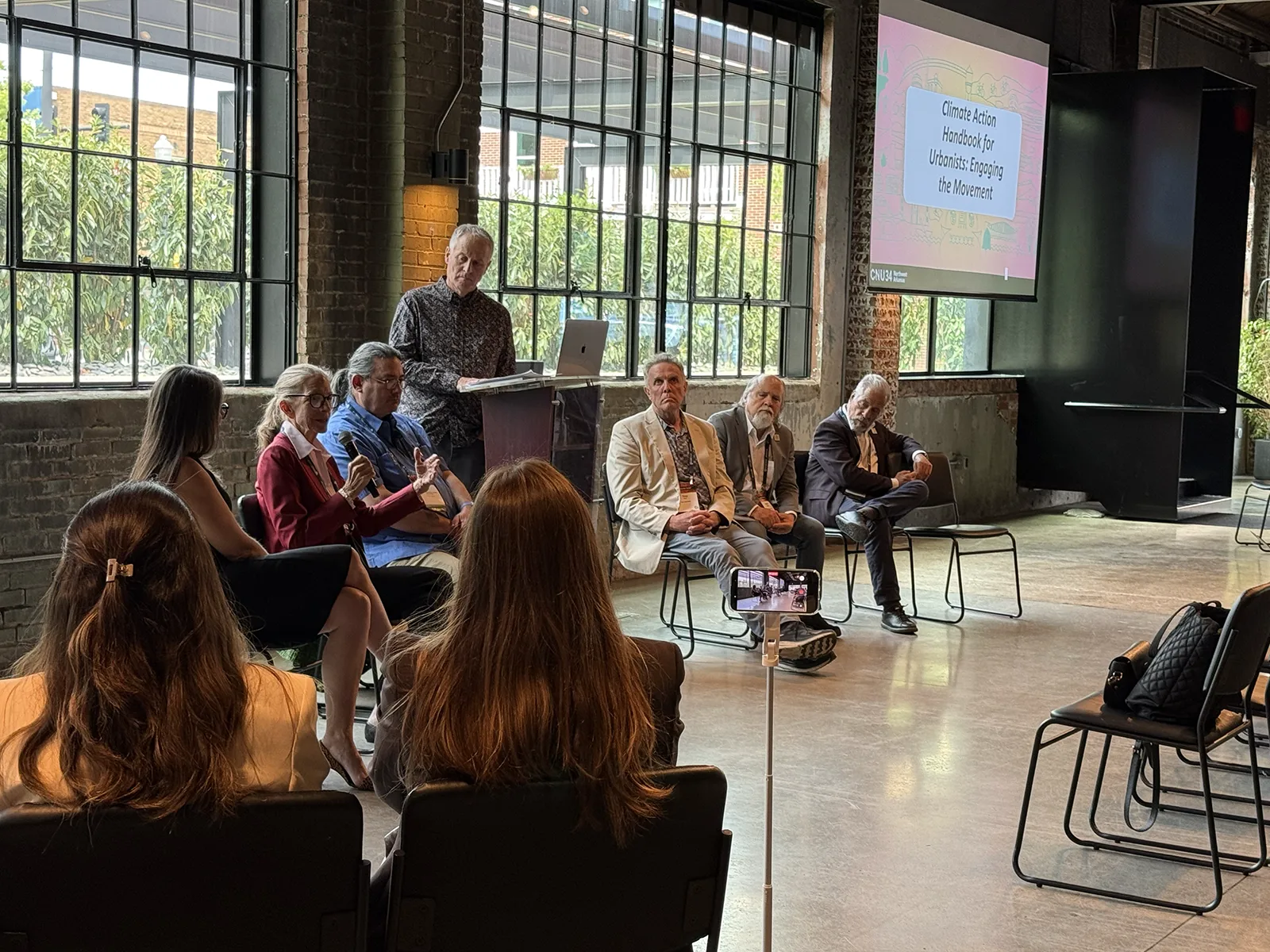
Lizz and Andres joined a few of the contributors to the CNU’s recently published Climate Action Handbook for Urbanists in a lively discussion held at CNU34.
In this spring edition, we are pleased to share updates on the projects and activities from the first half of DPZ’s 2026 calendar.
We have been busy with various new projects, follow-up assignments for existing clients, and several special events. In addition to a number of private sector master plans and public sector form-based codes, both domestic and international, this year our three offices have started assisting several municipalities in updating their comprehensive plans, an opportunity to help these cities revisit and clarify their larger future goals and the policies to implement them.
This past month, our team contributed to sessions at the CNU34 conference in Northwest Arkansas, where two of our projects were honored with Charter Awards.
Here are some of those highlights and other noteworthy items.
New Projects
Plan Jonesboro & Bryant Leap Forward:
Future Priorities Defined in NE and Central Arkansas
In the month leading up to CNU34 in Northwest Arkansas, DPZ advanced two major comprehensive planning efforts for the Arkansas cities of Jonesboro and Bryant.
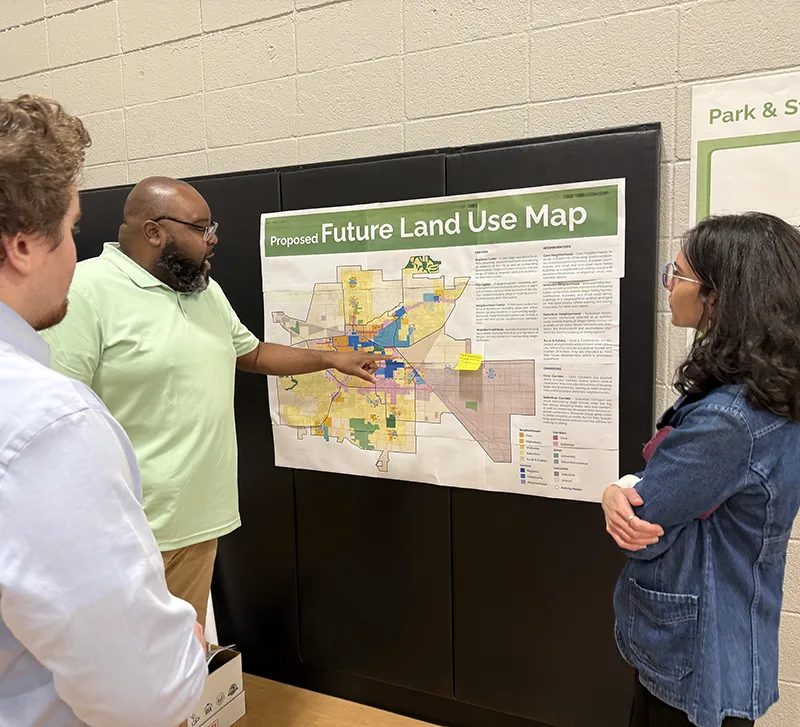
Longtime collaborator Crafton Tull—an Arkansas-based planning and engineering firm —contributed expertise in public engagement, transportation, and infrastructure during both workshops. Additionally, Urban3 prepared a growth economics analysis while LandUse USA provided a housing market dynamics study.
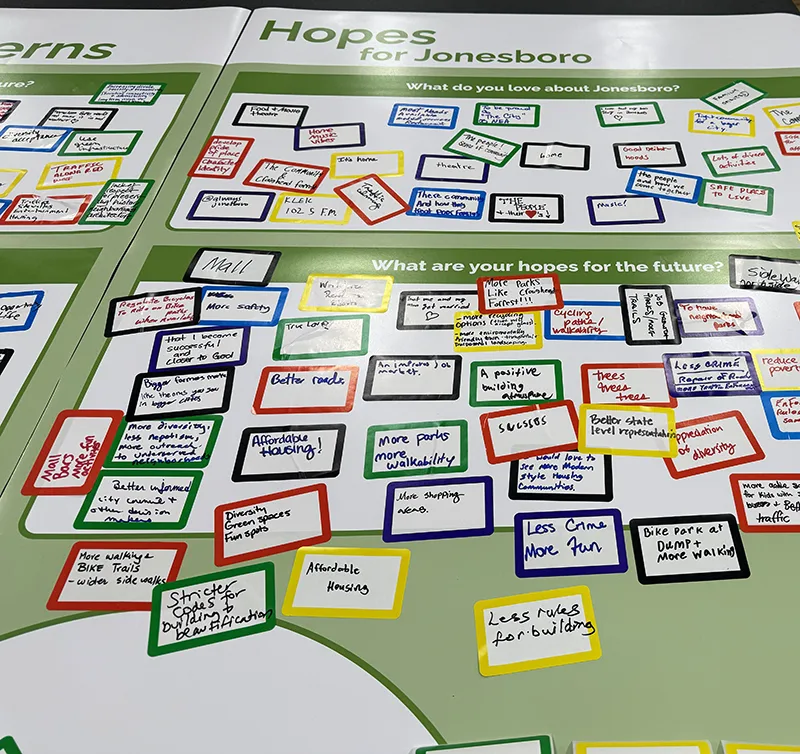
Both Plan Jonesboro and Bryant Leap Forward are long-range initiatives designed to help the communities manage growth while preserving the qualities that define them. Through open houses, workshops, and interactive public input, residents emphasized priorities in infrastructure, housing, parks, walkability, transportation, and community identity.
Plan Jonesboro will guide growth in this regional hub over the next 30 years. At the early April workshop, proposals explored how new activity nodes could offer gathering spaces, parks, services, and housing types currently lacking in the more suburbanized pockets of the city. The plan builds upon Jonesboro’s many assets, including its historic downtown with an already active main street, Arkansas State University, major healthcare institutions, and the many outdoor amenities within the 692-acre Craighead Forest Park situated on Crowley’s Ridge.
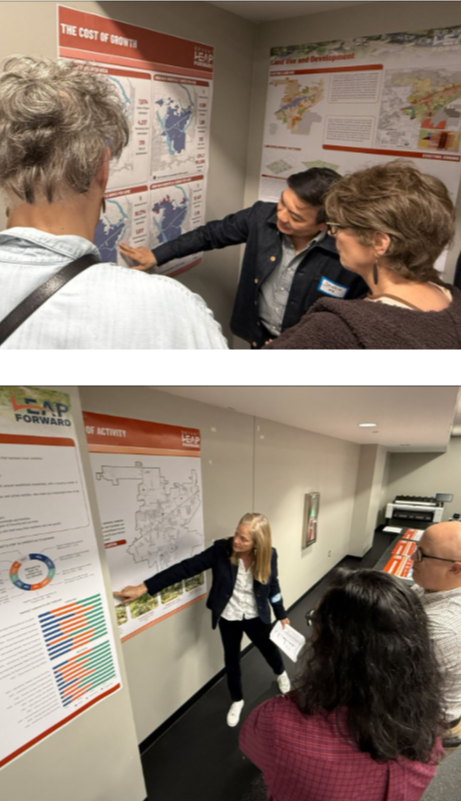
Bryant Leap Forward establishes a 20- to 25-year vision for the growing Little Rock suburb that continues to draw young families to its highly rated school system and recreational facilities. The late April workshop explored opportunities for improved walkability, additional housing choices, expanded parks, and better defined neighborhood centers. A major concern in this auto-dependent community was traffic congestion at peak hours given the limited road network. New street connections and the addition of multi-use lanes to encourage cycling were studied, as were ways to enhance access to the city’s popular greenway system.
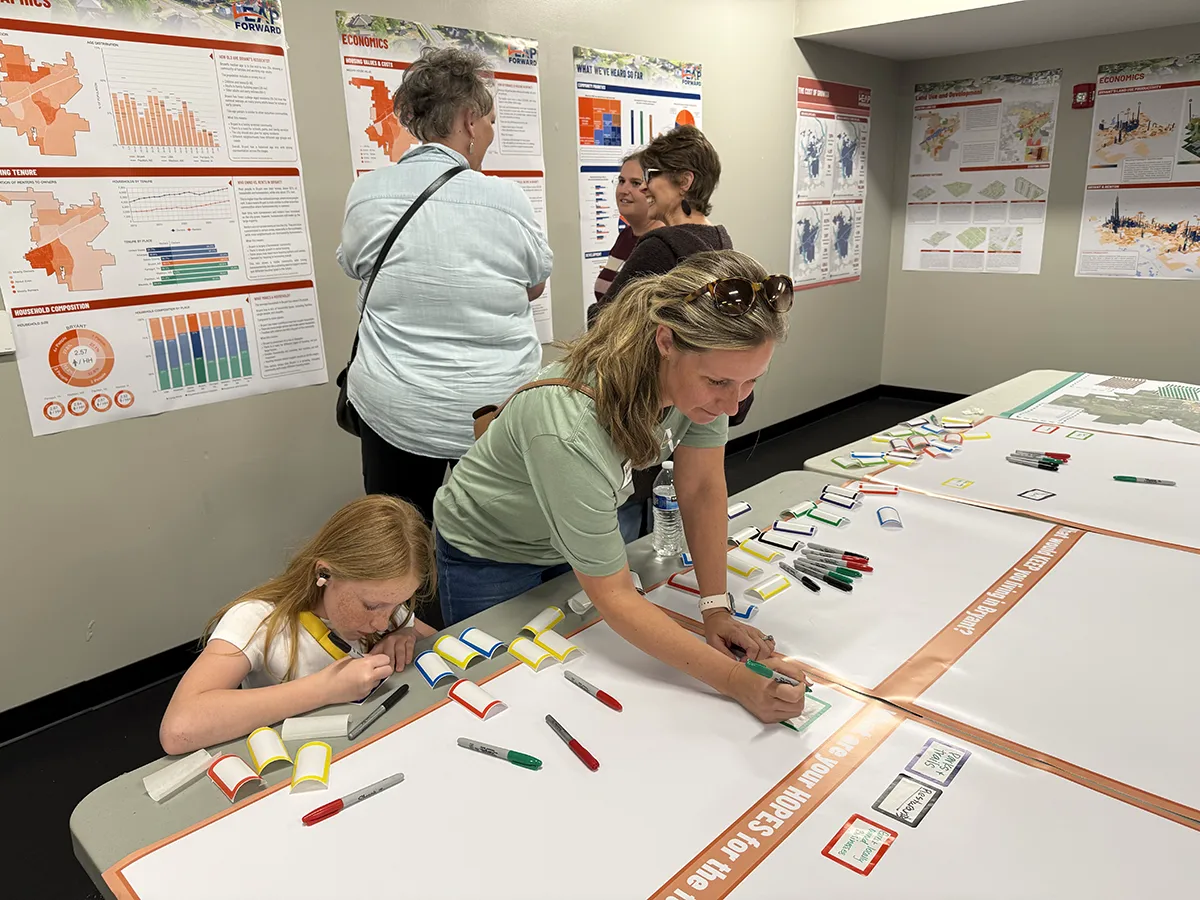
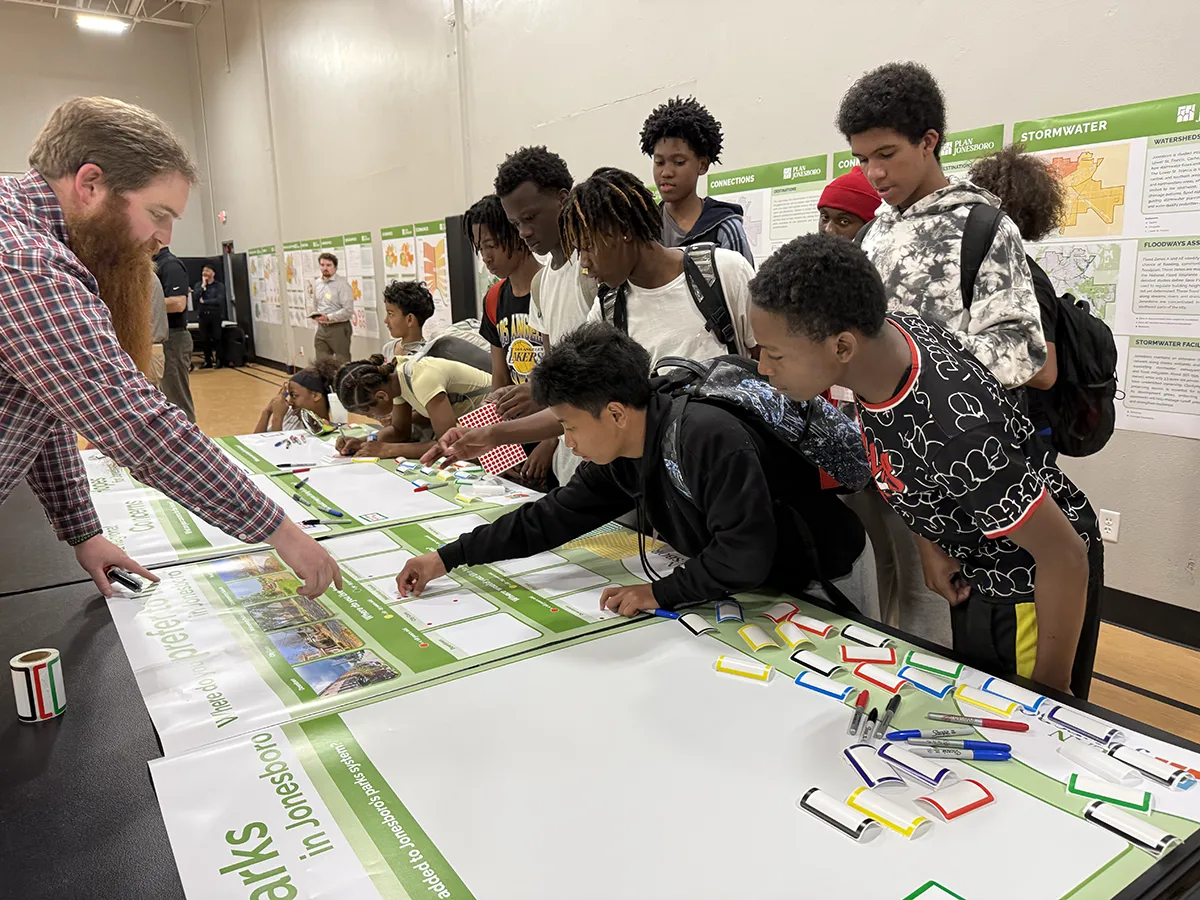
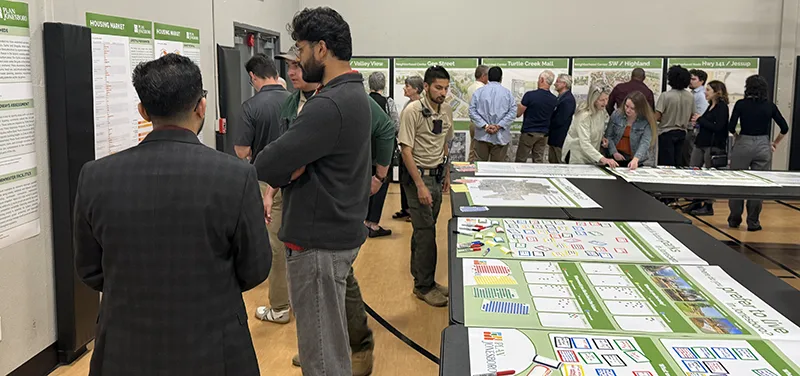
Residents interacted with the design team at the two Design Week workshops, sharing their thoughts, concerns, and aspirations.
Read more about Plan Jonesboro here.
Read more about Bryant Leap Forward here.
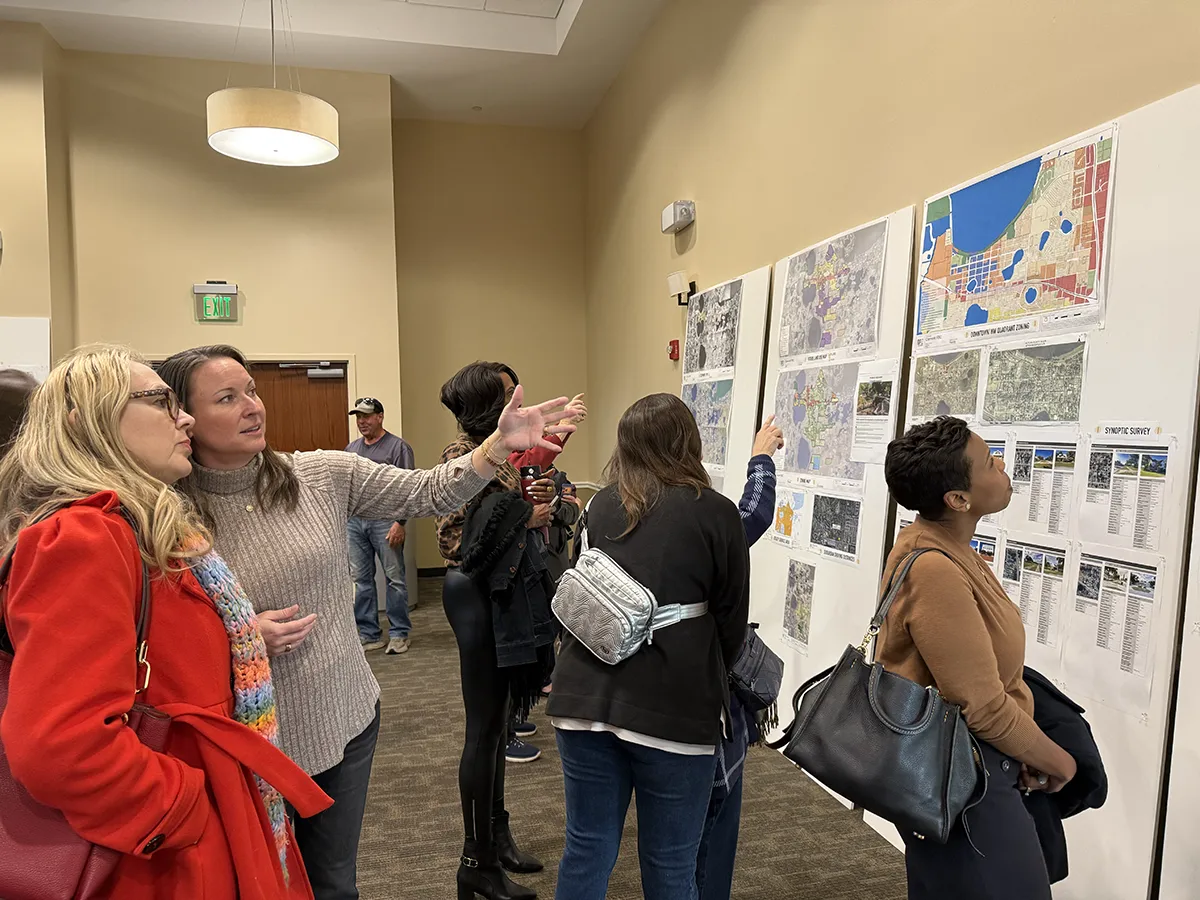
Attendees of the Clermont Charrette’s closing presentation had the chance to meet with the designers and share their reaction to the display of Opportunity Site proposals.
Clermont, FL – Comp Plan and Form Based Code Charrette
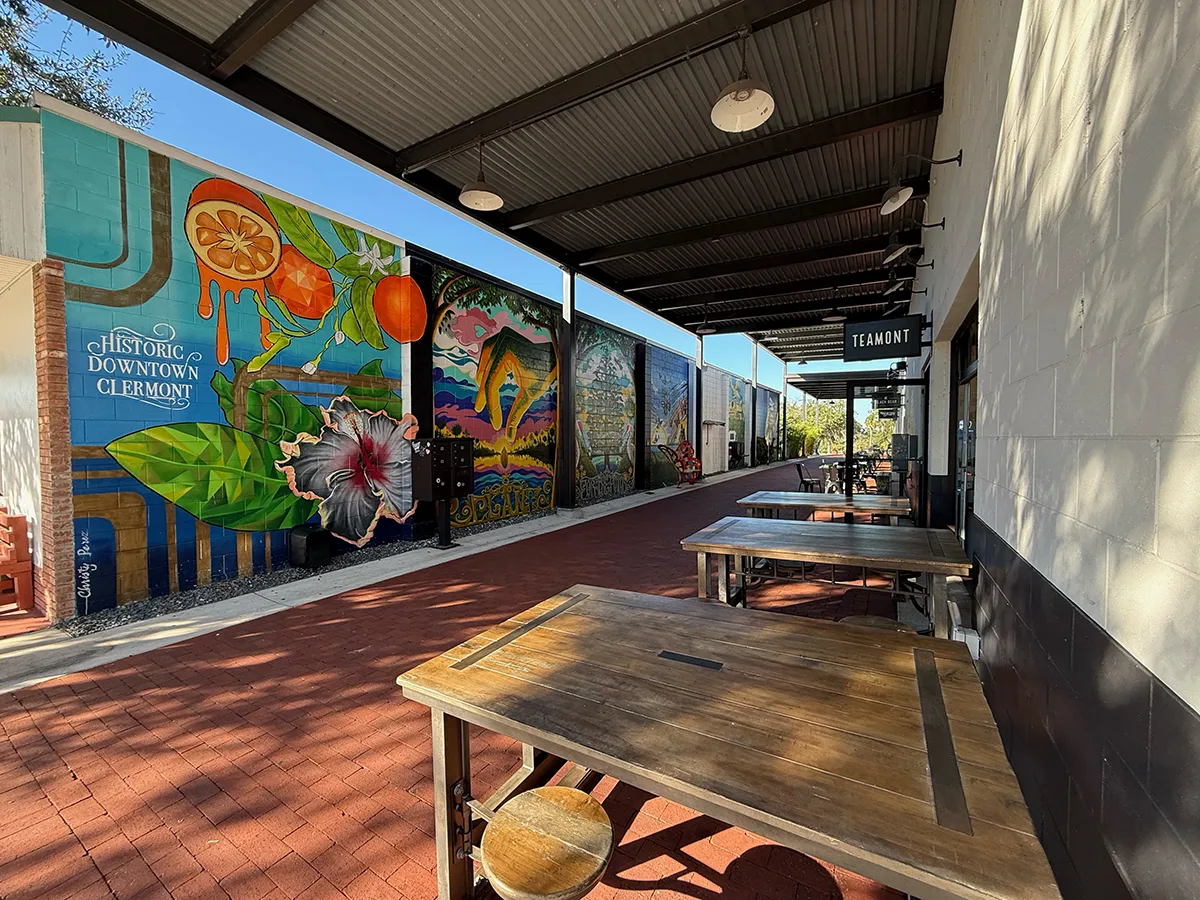
In February, DPZ was honored to spend a week in Central Florida conducting a planning charrette for the City of Clermont, once the heart of Florida’s citrus industry and now a desirable destination for new families and retirees drawn to its distinctive landscape of hills and lakes.
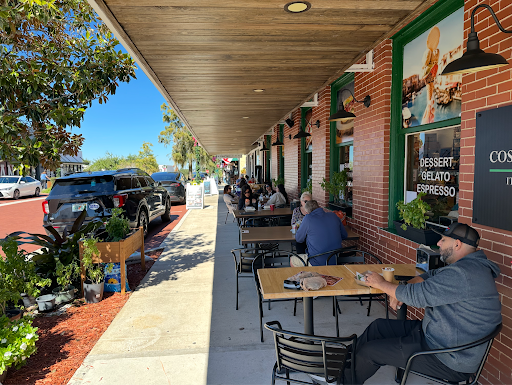
A small city of 51,000 that already possesses many commendable qualities and has a highly engaged citizenry, Clermont has nonetheless experienced rapid suburban growth in the past two decades with all the typical problems that sprawl brings.
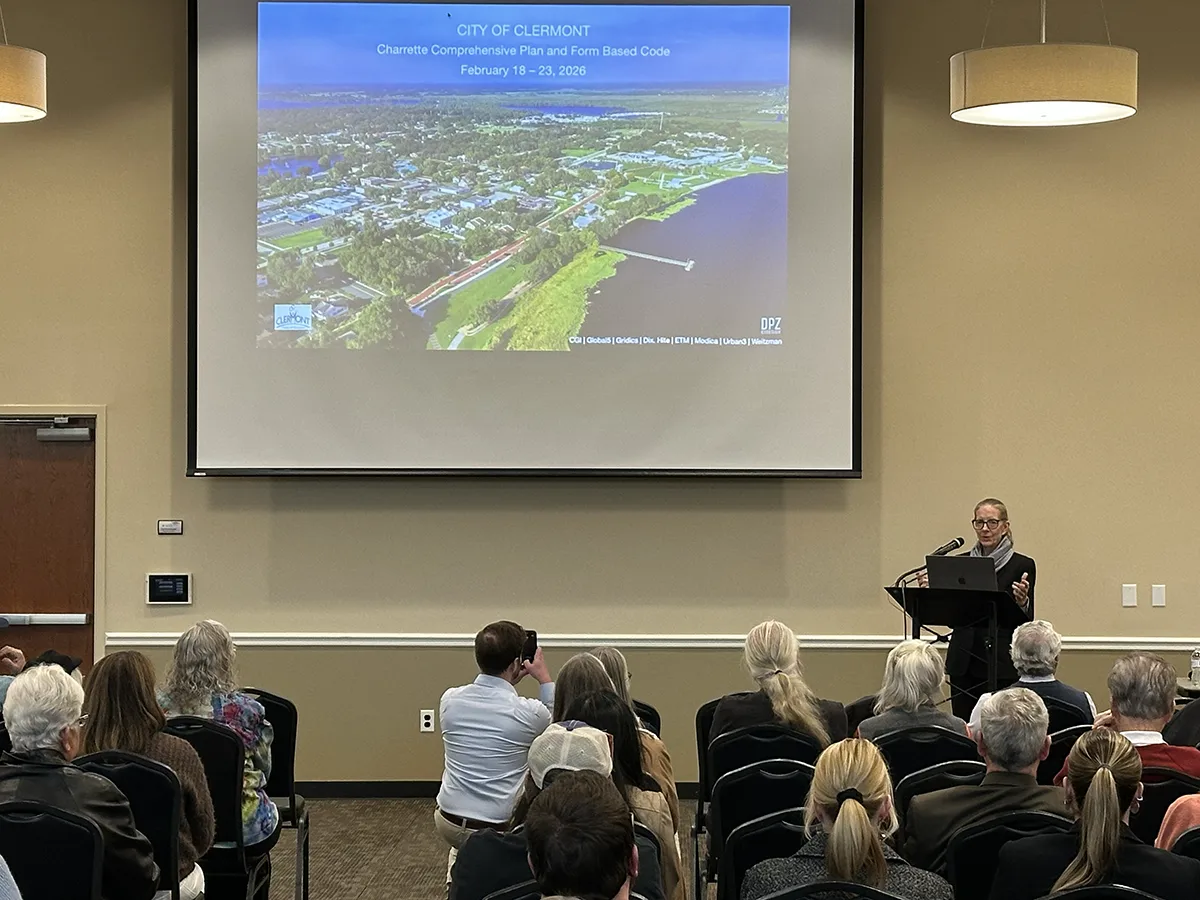
The charrette addressed both updating the City’s comprehensive plan and creating a new downtown form-based zoning code. A unique opportunity.
To learn more about the Clermont Charrette check out our Pulse Post here.
Events
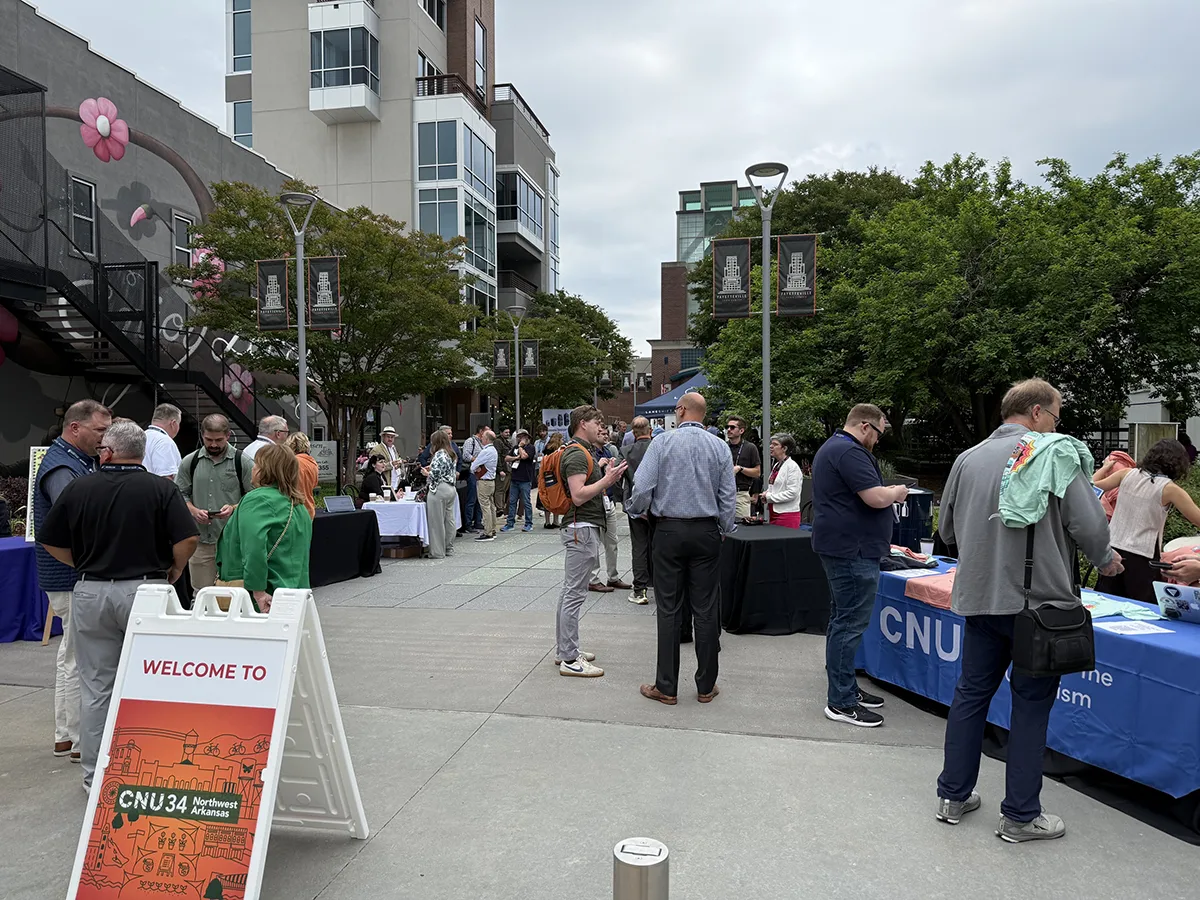
CNU34 in Northwest Arkansas
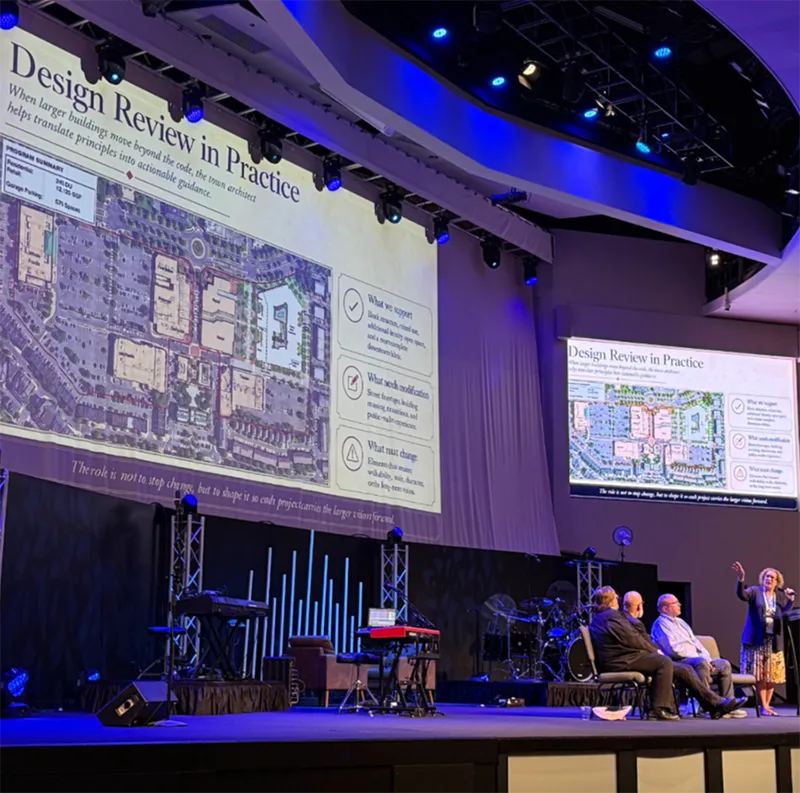
Mid-May found DPZ at CNU’s 34th congress hosted this year in Arkansas, a state where DPZ has been active since 1995. This conference celebrated more recent efforts in the northwest region where our firm and other CNU colleagues have been working in multiple municipalities to bring awareness to the benefits of New Urbanist strategies and form-based coding.
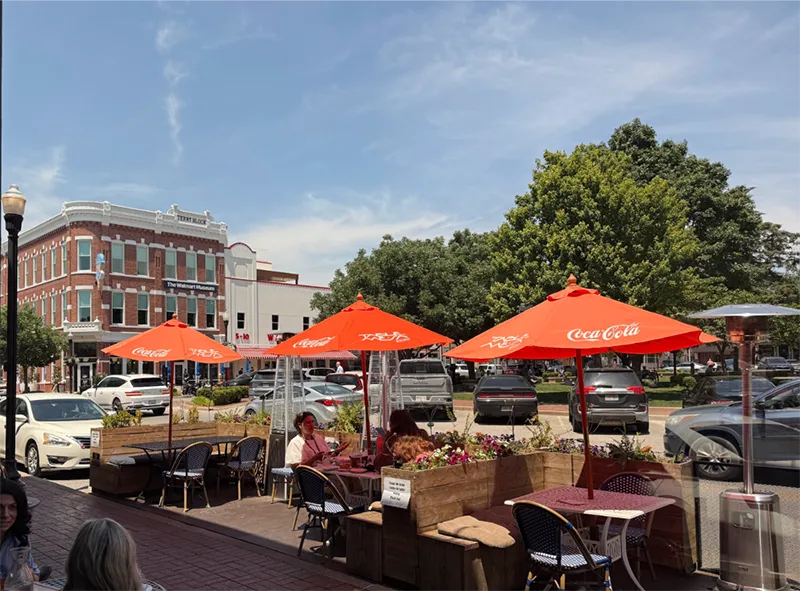
This congress was unique in that it was hosted by two cities, Fayetteville and Bentonville. The format reflected the spirit of regional collaboration in embracing smart growth, municipal cooperation, and intergovernmental dialogue that has become a hallmark of Northwest Arkansas.
To learn more about DPZ at CNU34 check out our Pulse Post here.
To learn more about the recent new urbanist work accomplished in the area, read the Public Square post here.
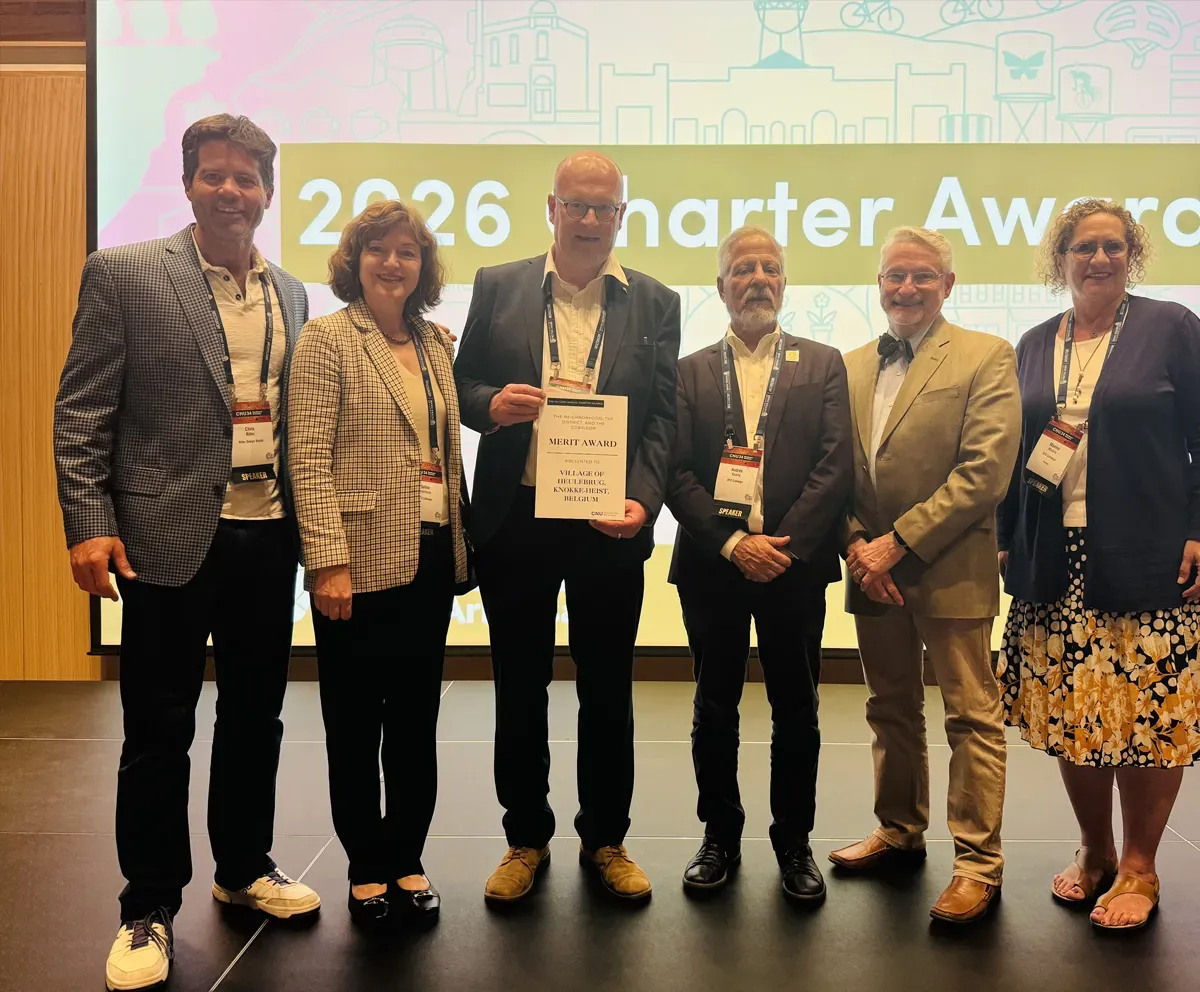
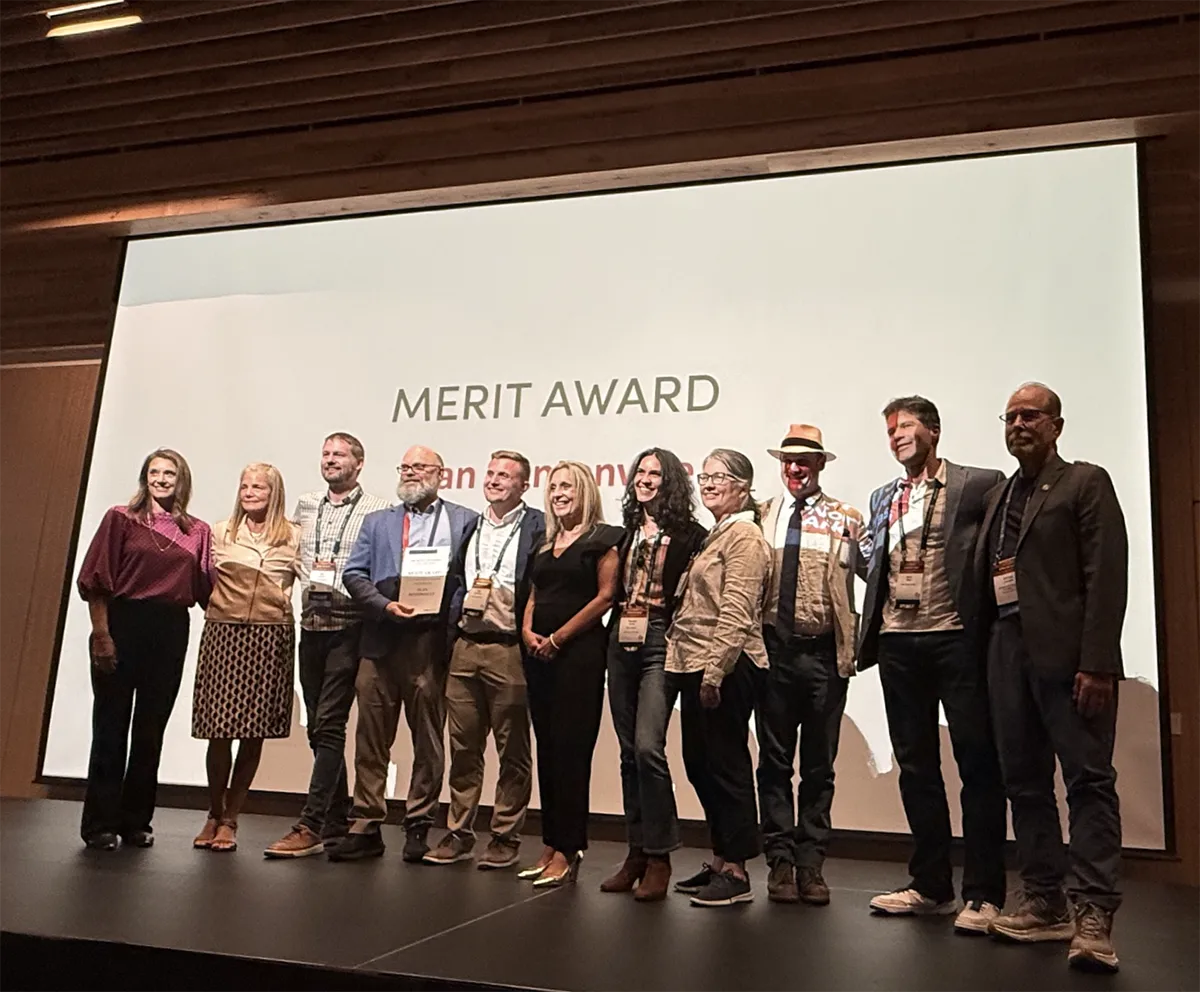
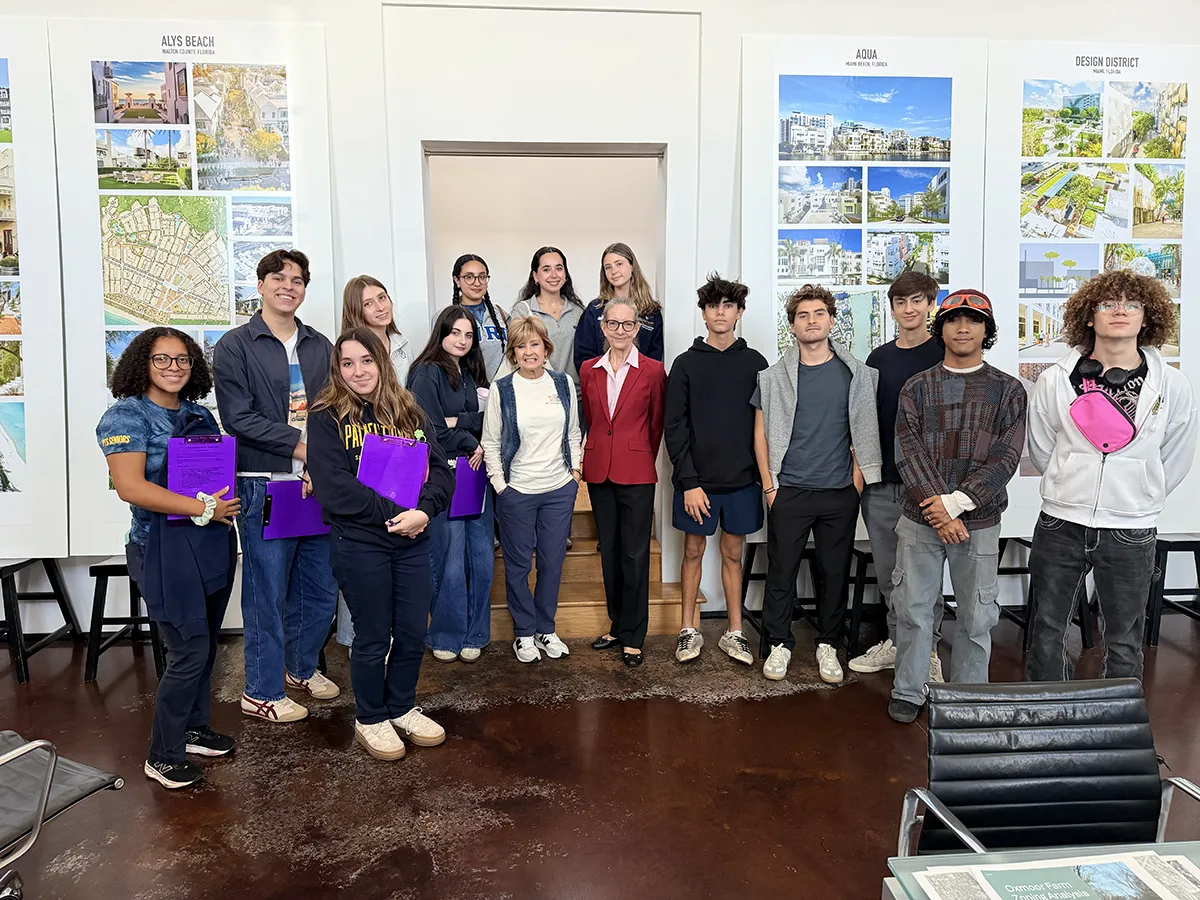
Photo courtesy of Palmer Trinity
Palmer Trinity School Field Trip
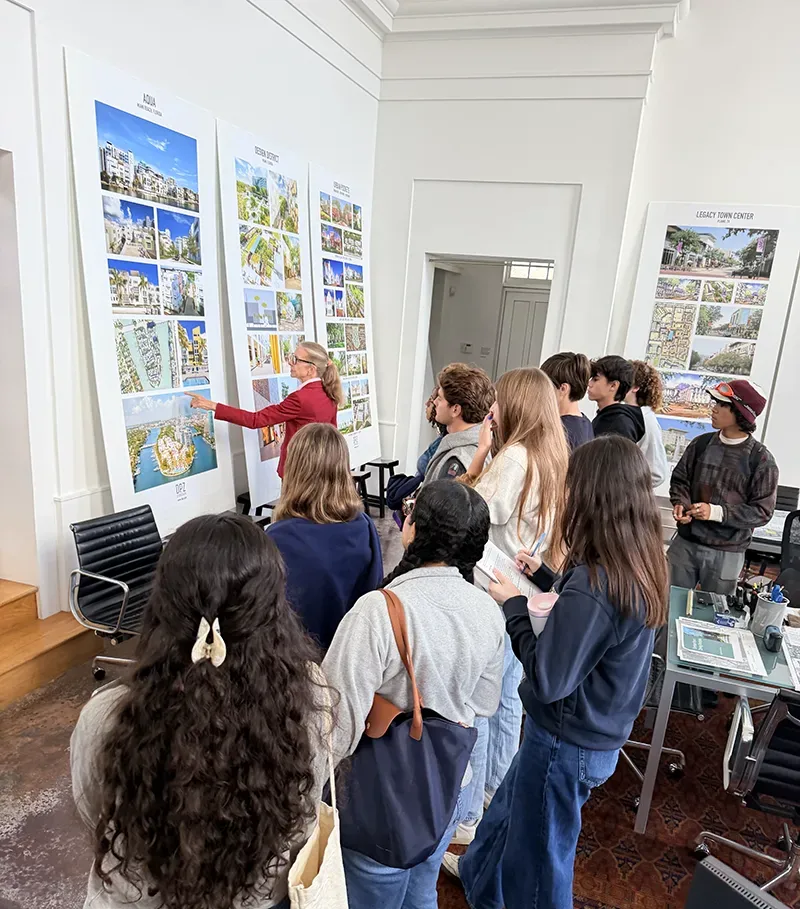
In April, a group of AP Human Geography students from Palmer Trinity School in Palmetto Bay, Florida, visited our Miami office to explore the principles of New Urbanism. Their field trip commenced with a studio tour conducted by Lizz, who guided students through the principles of urban design and its applications in mitigating suburban sprawl through the creation of walkable, mixed-use communities.
Subsequently, the students engaged in a series of guided walks through various neighborhoods in Miami, including the Central Business District, the Miami Riverwalk, Wynwood, the Design District, and Miami River Landing. These walks provided an opportunity for the students to observe how these principles are being applied in the City of Miami, where their implementation has been governed by DPZ’s Miami21 form-based code.
Seaside Prize
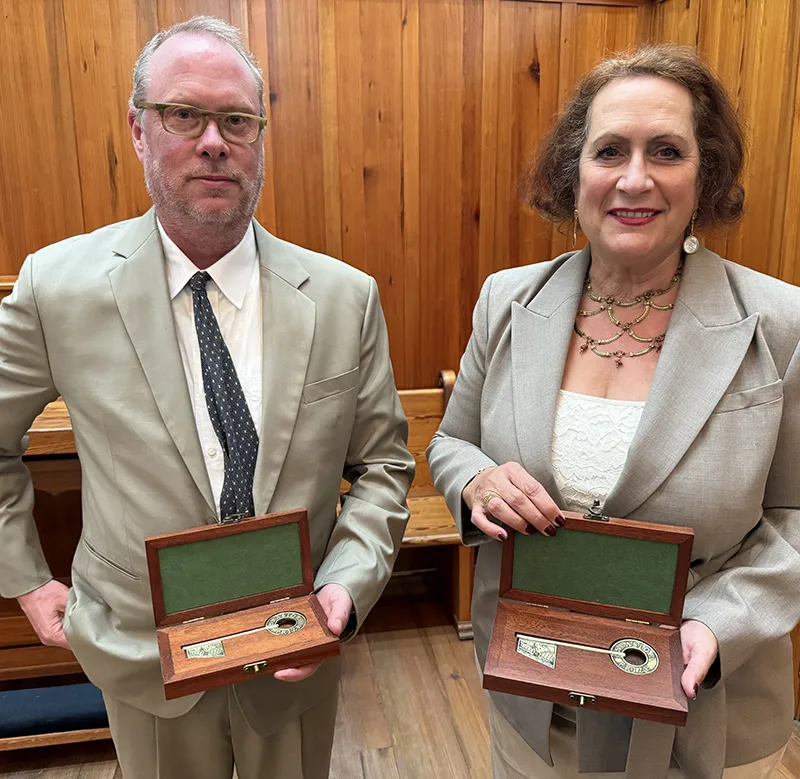
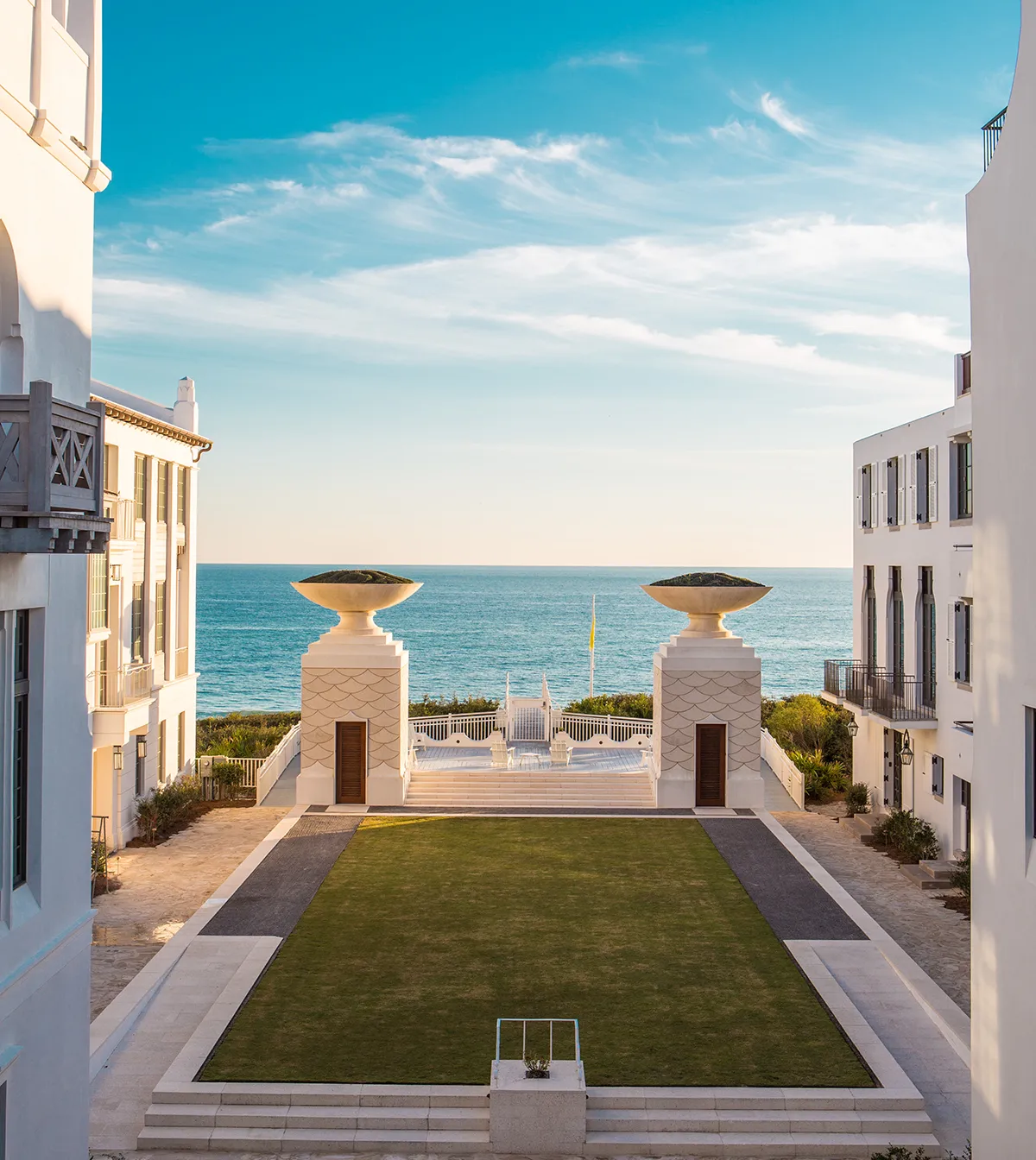
Taking place in February, the Seaside Prize ceremony honored longtime DPZ friends and collaborators Erik Vogt, Marieanne Khoury-Vogt, and their talented KVA team. The well-deserved recognition celebrated their 23 years of service as Town Architects of Alys Beach, where their remarkable body of work has amplified the beauty and rigor of DPZ’s master plan many times over.
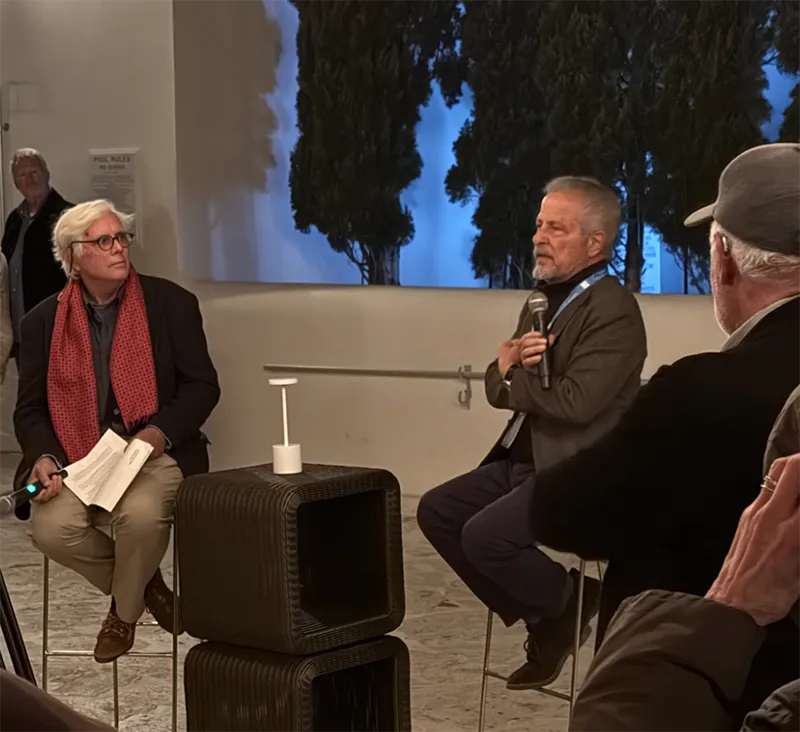
In support of the prize weekend, Andrés opened the symposium with a keynote conversation featuring frequent DPZ collaborator Scott Merrill. The following day, several practitioners of traditional architecture and urbanism delivered inspiring presentations, including Scott Merrill and fellow DPZ contributor Michael Imber.
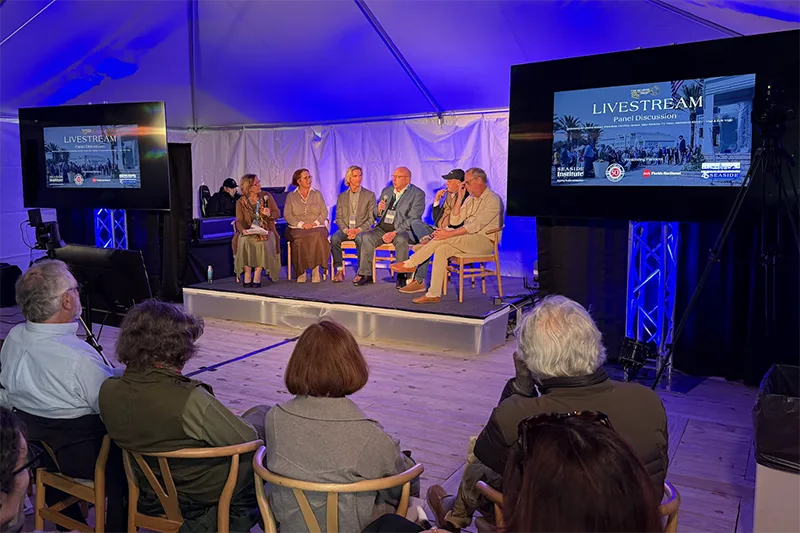
Concluding the symposium, DPZ’s Marina Khoury moderated a panel discussion on the evolving role of the town architect with Mike Watkins, Geoffrey Mouen, Ty Nunn, and the honorees themselves, Erik Vogt and Marieanne Khoury-Vogt.
DPZ Speaking Engagements in Florida and Italy
Earlier this year, Galina Tachieva participated in two notable speaking engagements addressing the future of urbanism and growth management.
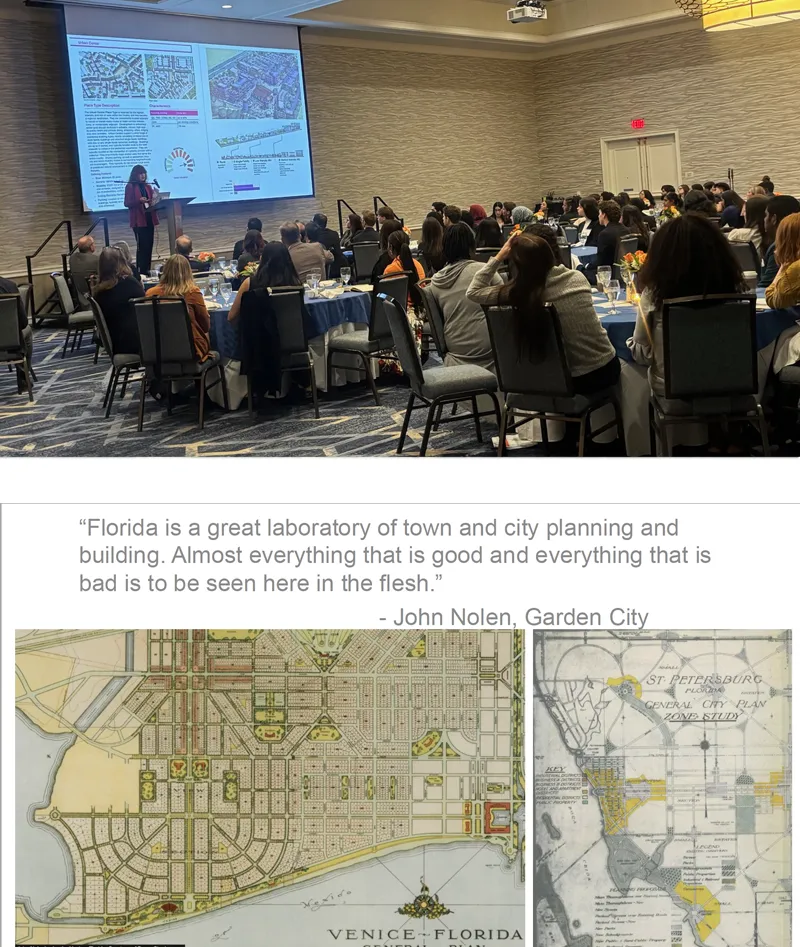
In January, she delivered the keynote address at the Future of Florida Summit at the University of Florida in Gainesville. Titled “Designing Tomorrow: Florida’s Growth and Development,” the presentation examined Florida’s role as a national testing ground for growth management and explored how policy and design decisions shape the long-term economic, environmental, and social impacts of rapid population growth.
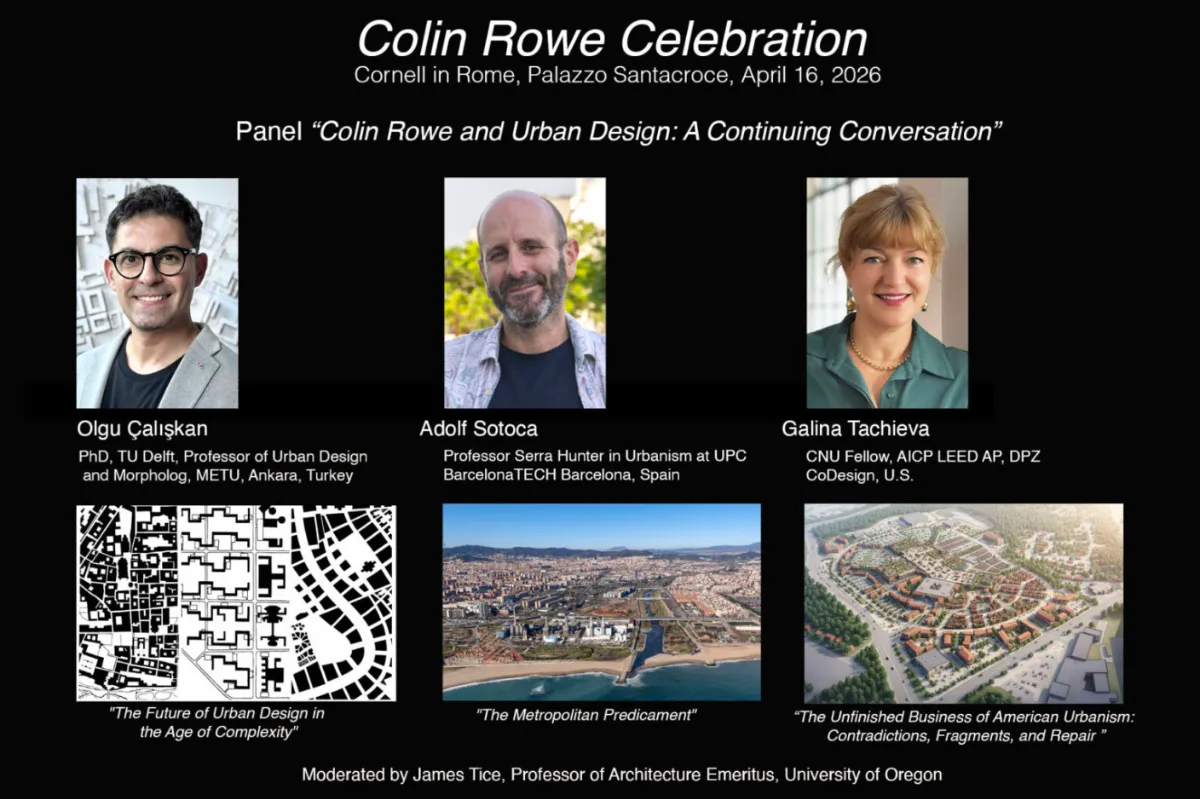
In April, Galina traveled to Italy to participate in a symposium honoring the legacy of renowned architectural historian and theorist Colin Rowe at Cornell in Rome. Organized around the publication of The Urban Design Legacy of Colin Rowe, the event brought together distinguished urbanists reflecting on the evolution of urbanism past, present, and future. Joining professors Olgu Çalişkan and Adolf Sotoca, Galina spoke on “The Unfinished Business of American Urbanism: Contradictions, Fragments, and Repair.”
Read more about the Rome event and its panelists here.
Read more about the Florida Summit here.
The Future We Build Documentary
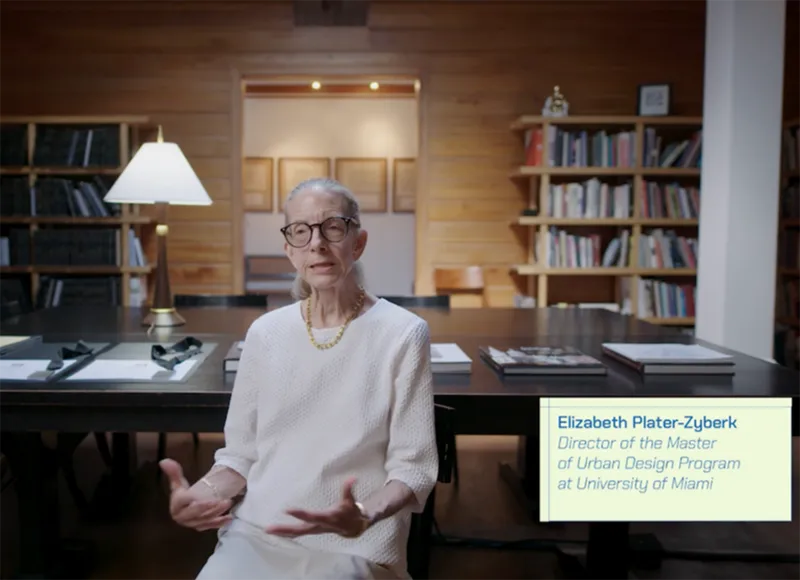
This past April, Lizz was interviewed in the climate documentary The Future We Build by Terra, alongside fellow University of Miami professor Joanna Lombard, Plusurbia’s Juan Mullerat, and other leading voices in urban design, sustainability, policy, and development.
Structured as a four-part series, the documentary examines how major forces shaping contemporary life are influencing the way cities are designed, built, and governed—particularly in South Florida. The episodes focus on affordability, wellness, resilience, and public-private partnerships, exploring the interconnected challenges facing rapidly growing urban regions.
Lizz contributed to discussions on missing middle housing, densification, parking, traffic, and other factors central to today’s development landscape. Her commentary emphasized the importance of thoughtful urban design in balancing growth, livability, and resilience while addressing the complex realities of a changing world.
Watch the full documentary and read about Lizz and other notable participants here.
Project Updates
Utah City: Redefining Wellness in a
Transit-oriented Downtown
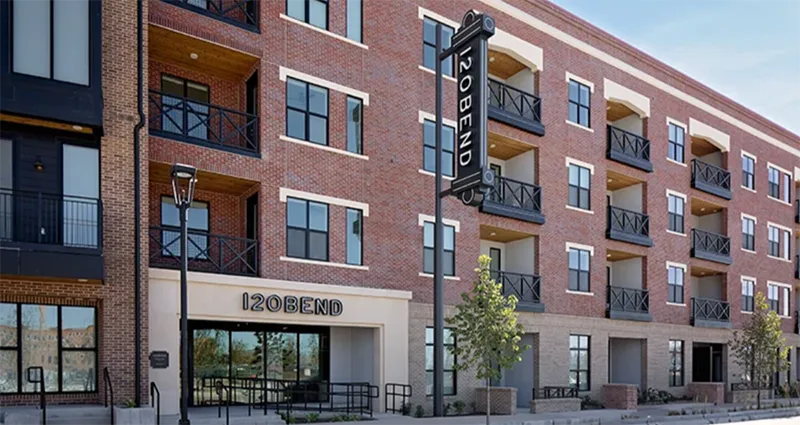
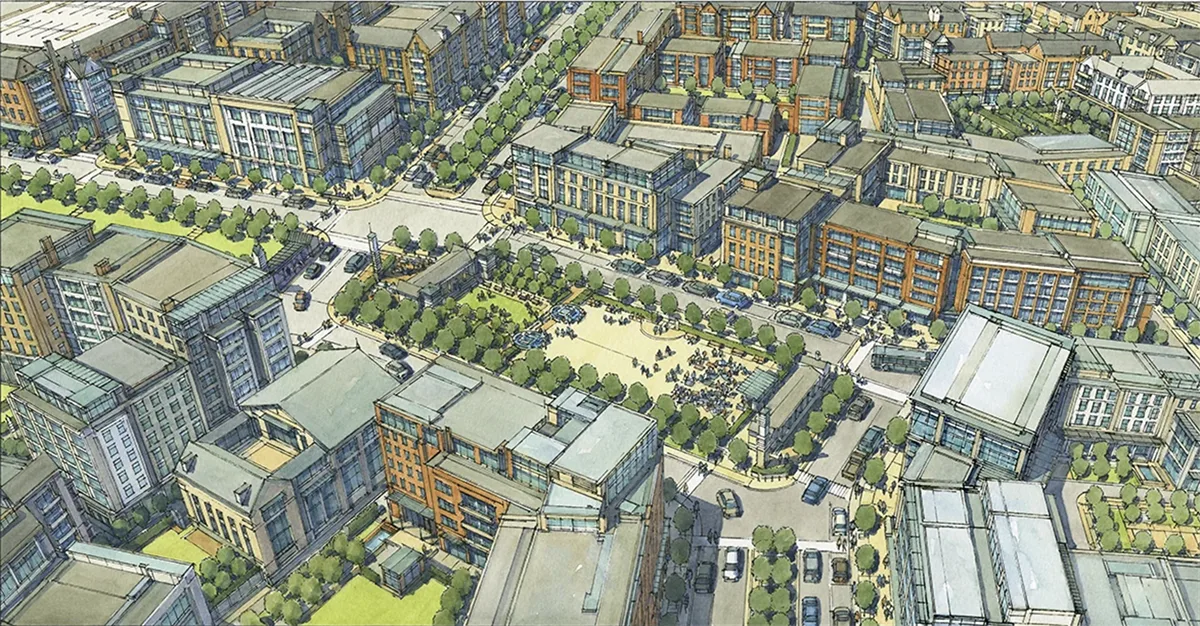
DPZ’s Utah City project continues to gain momentum as construction advances on the 700-acre mixed-use development transforming the former Geneva Steel site in Vineyard,
Utah.
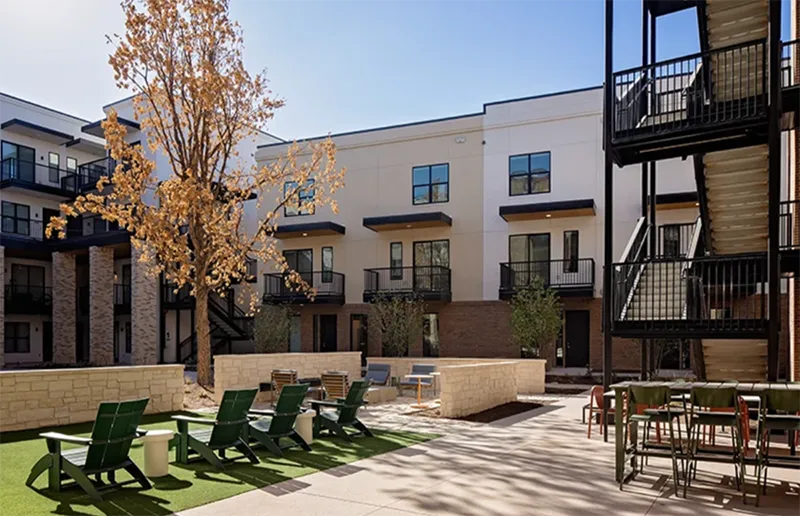
Anchored by the Vineyard FrontRunner Station, the project is bringing a new walkable, transit-oriented downtown to life with housing, retail, parks, and civic amenities designed to create a connected urban community.

A major recent milestone is Utah City’s partnership with Peloton, which is integrating wellness directly into residential living through dedicated fitness spaces, connected workout technology, and community programming.
Read the full DPZ Pulse post here.
Photos courtesy of Utah City
Seafront Residences Amenities Launch
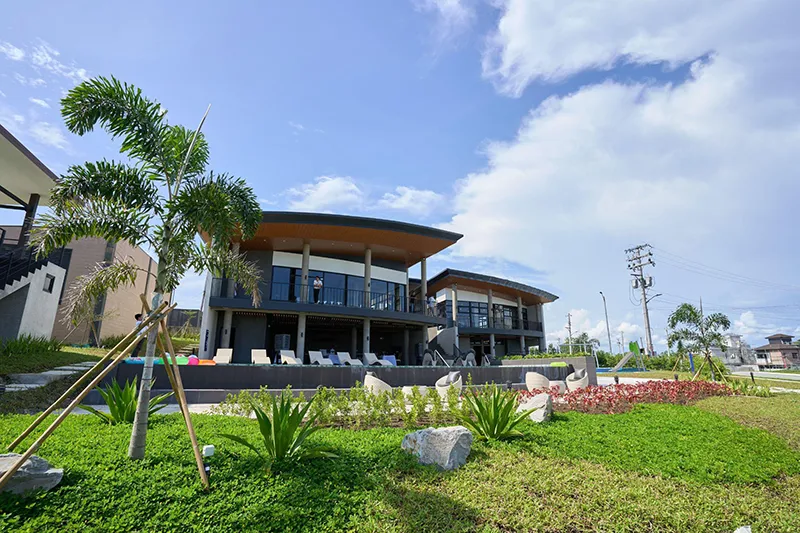
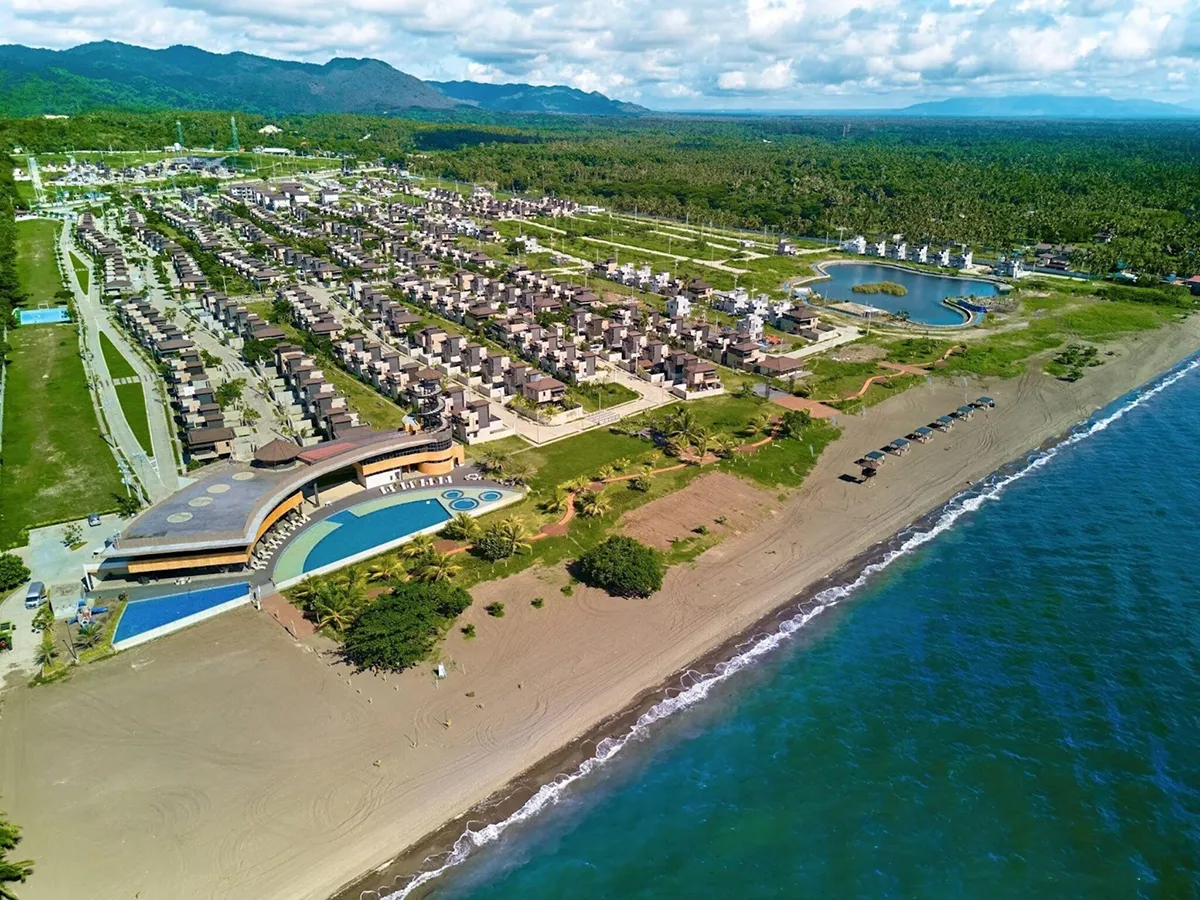
One of the most decorated DPZ projects in recent years, Seafront Residences in the Philippines, continues to receive media coverage surrounding their new amenities launch and associated wave of lifestyle and investment value.
The new Crest amenities target community and leisure interests with a lap pool, pool lounge, function room, and fitness room to compliment an already relaxing lifestyle by the sea.
Read the full Inquirer article here.
In the Press

Interview with Journalist and Author Benjamin Schneider
In a recent interview for Terrain.org, DPZ partner Galina Tachieva spoke with journalist and author Benjamin Schneider about his new book, The Unfinished Metropolis: Igniting the City-Building Revolution.
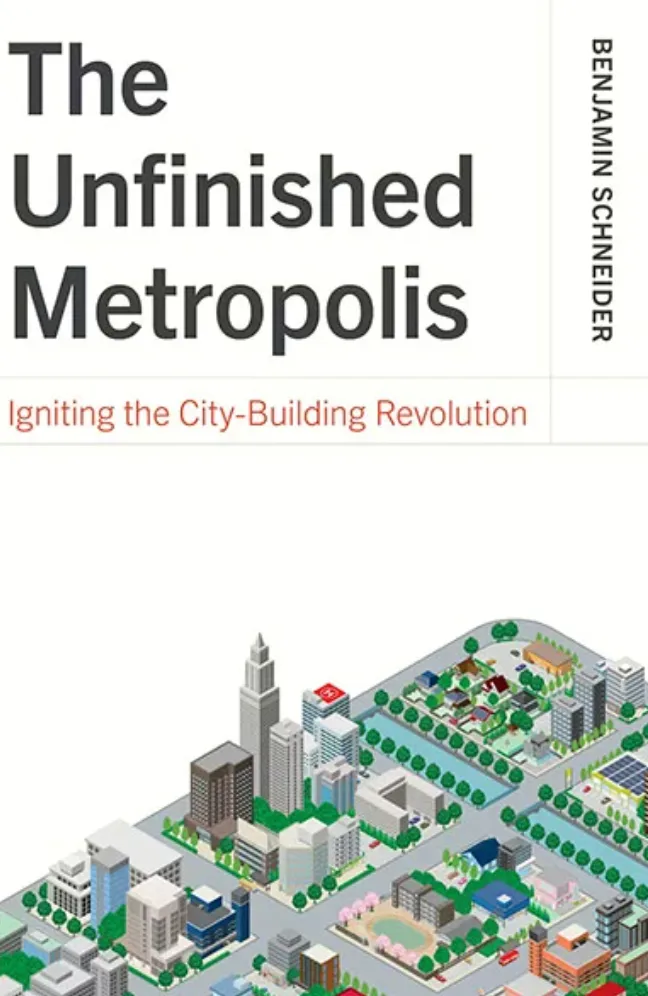
The wide-ranging conversation explored the interconnected challenges facing American cities today and the general resistance to development and change due to the destructive urban patterns of the mid-century. This antipathy to growth has caused stagnation at a time when society needs more creativity to adapt to evolving social and economic realities.
Schneider sees a great need for more integration between transportation planning and housing policy, and he believes that creative city-building dialogues are likely to be more fruitful at the local and state levels.
An admirer of the New Urbanism movement’s impact on planning discourse and innovations, he views his book as a continuation of that work.
Read the terrain.org interview here.
A Conversation with Sikes Ragan of the Village of Cheshire
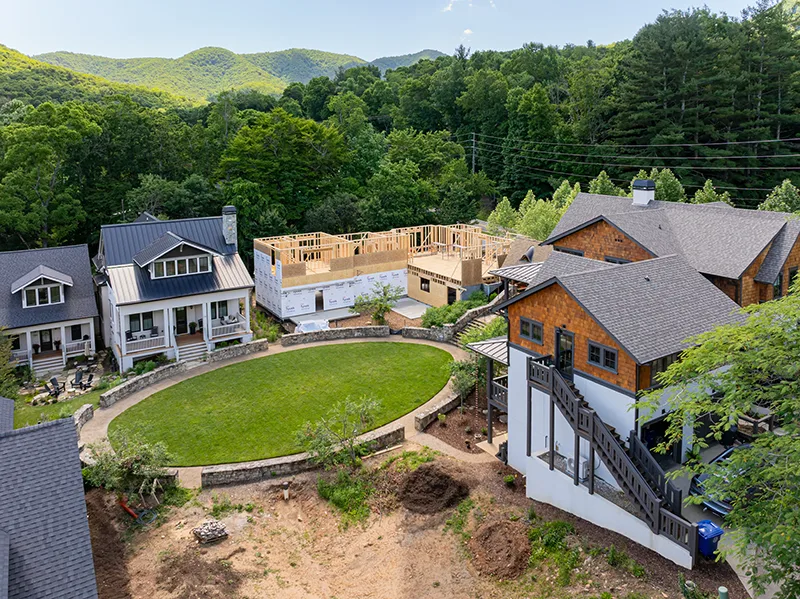
An interview with developer Sikes Ragan delves into his decades-long implementation of the Village of Cheshire, located 16 miles east of Asheville, NC.
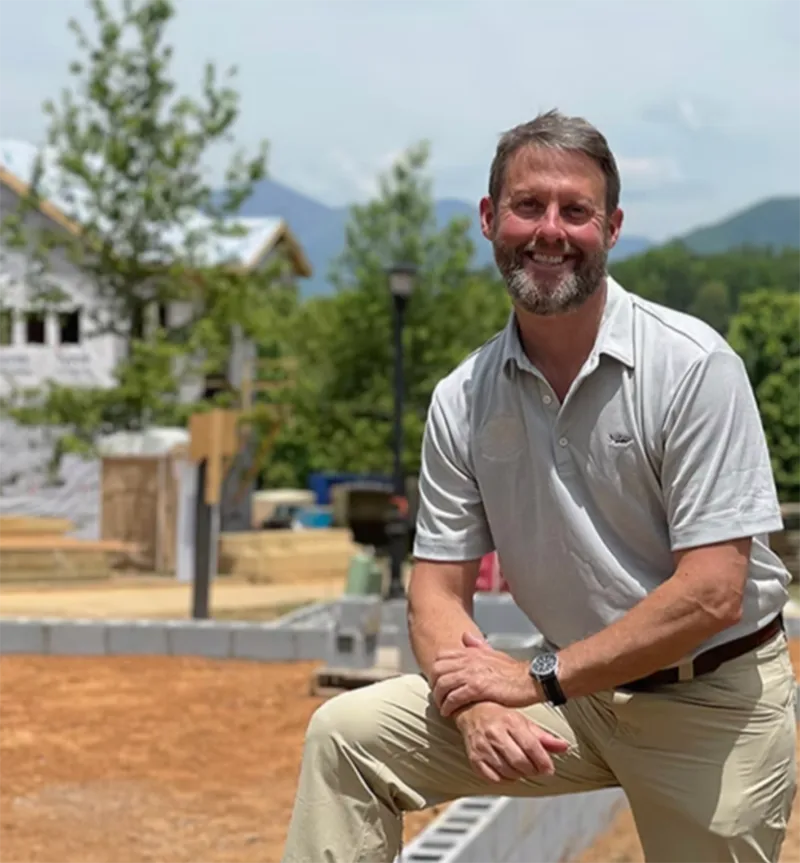
Following the remarkable effort to recover from the devastating impact of Hurricane Helene in 2024, Ragan is now focused on completing the Town Center with the addition of mixed-use buildings, a boutique hotel, and expanded community programming at the corner of Cheshire Drive and Highway NC-9.
Read the full Buchanan Commercial article here.
Journal of Urban Affairs
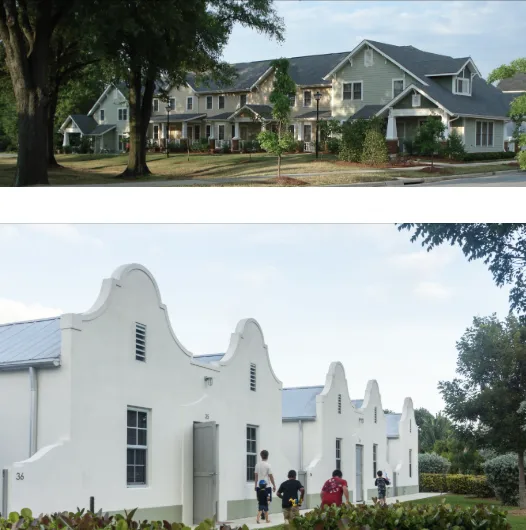
In this commentary published in the Journal of Urban Affairs, UM professor and longtime DPZ collaborator Joanna Lombard, with Lizz Plater-Zyberk, describe practical urban design strategies for reducing the urban heat island effect and improving resilience to extreme heat.
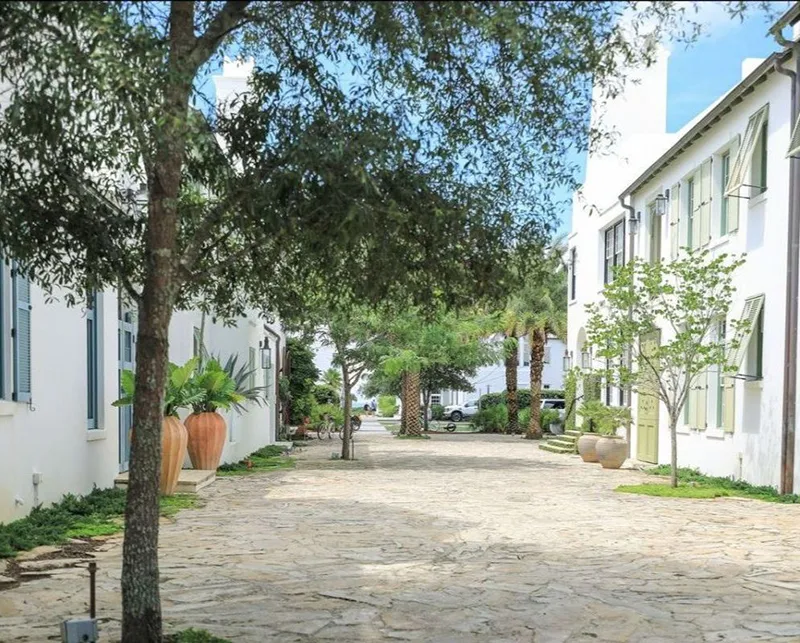
Drawing from both academic research and professional practice, they outline how streets, parking lots, open spaces, and buildings can be designed to lower ambient temperatures through shade, vegetation, reflective materials, pervious pavements, and improved air movement.
Among the projects used to illustrate these cooling strategies—many long embedded in traditional urbanism and New Urbanist practice– are Alys Beach, Seaside, Willow Oaks Hope VI , and Blue Water Workforce Housing.
Read the full article here.
Awards
CNU 2026 Charter Awards
This year DPZ received two Merit Awards from the CNU: Plan Bentonville and the Village of Heulebrug.
Plan Bentonville is a holistic effort to bring together fiscal analysis, policy, regulation, and capital investment under one coordinated plan. That document was approved by City Council in 2025, and its companion transect-based, community code was adopted this past spring.
The awards jury recognized how a defining feature of Plan Bentonville is “the integration of fiscal performance into urban policy” by acknowledging that “compact, mixed-use places generate stronger long-term public returns than dispersed growth…Economic resilience, environmental responsibility, and social equity are not competing goals, but mutually reinforcing obligations of good governance”.
Read more in CNU’s Public Square here.
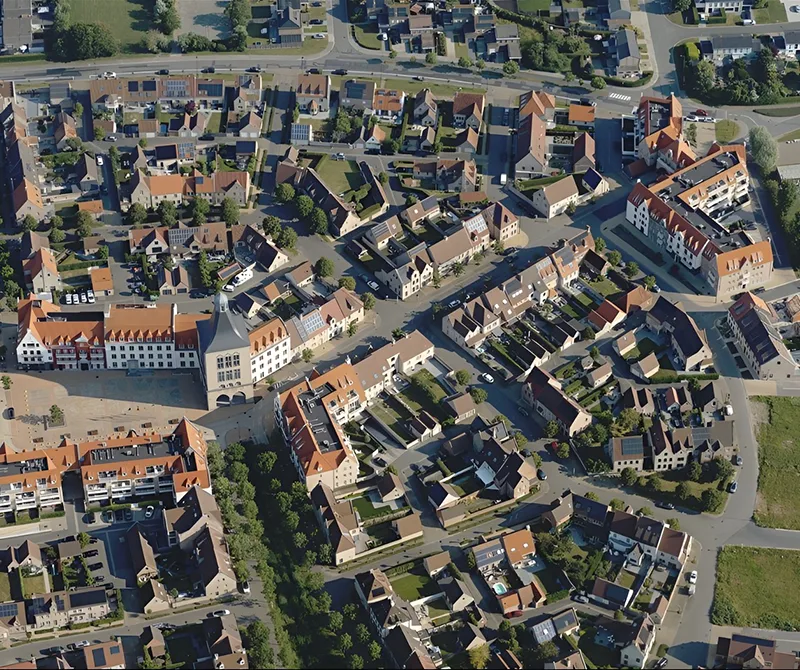
The Village of Heulebrug, designed in collaboration with Leon Krier in 1998, was recognized for its 28-year steadfast commitment to quality and perseverance. Against many odds, the West-Flemish Intermunicipal Association delivered a mix of affordable to market rate housing and walkable urbanism in a manner that honored the tradition of its region.
Along the way, the project proved the value of traditional neighborhood design and the power of a code to ensure visual order.
Read more in CNU’s Public Square here.
From Andres & Lizz

DESIGN: Visioning Community – Andrés Interview
As housing, urban design, and community-building debates intensify, Andrés joins architect and zoning reform leader Sarah Bronin and urban design scholar Yodan Rofe on DESIGN NOW to explore the values, policies, and visions that influence the communities we create—and the futures we choose to build.
Listen to the episode here.

In Conversation with EPZ: Journal of Architectural Education
In an interview with Michaelangelo Sabatino and Rafael Longoria for an issue of the Journal of Architectural Education titled “Educating Civic Architects”, Lizz speaks about the importance of civic space and the education of future architects with regard to the public realm.
Read the interview in the accepted manuscript published by Taylor & Francis in the Journal of Architectural Education on January 5, 2026, available here.