



1995
Designed
105 ac.
Project Size
Paul Borden, Leucadia National Corp., Patrick Bienvenue
Client
800
Units
55,000 sq.ft.
Retail Space
Fifteen years after Seaside, a real estate investment company wanted to capitalize on that project’s success 7 miles to the east. Threading the needle, the project moved swiftly and expertly through sales and construction to be largely complete by the time the recession arrived. It has become what is arguably one of DPZ’s best liked communities.
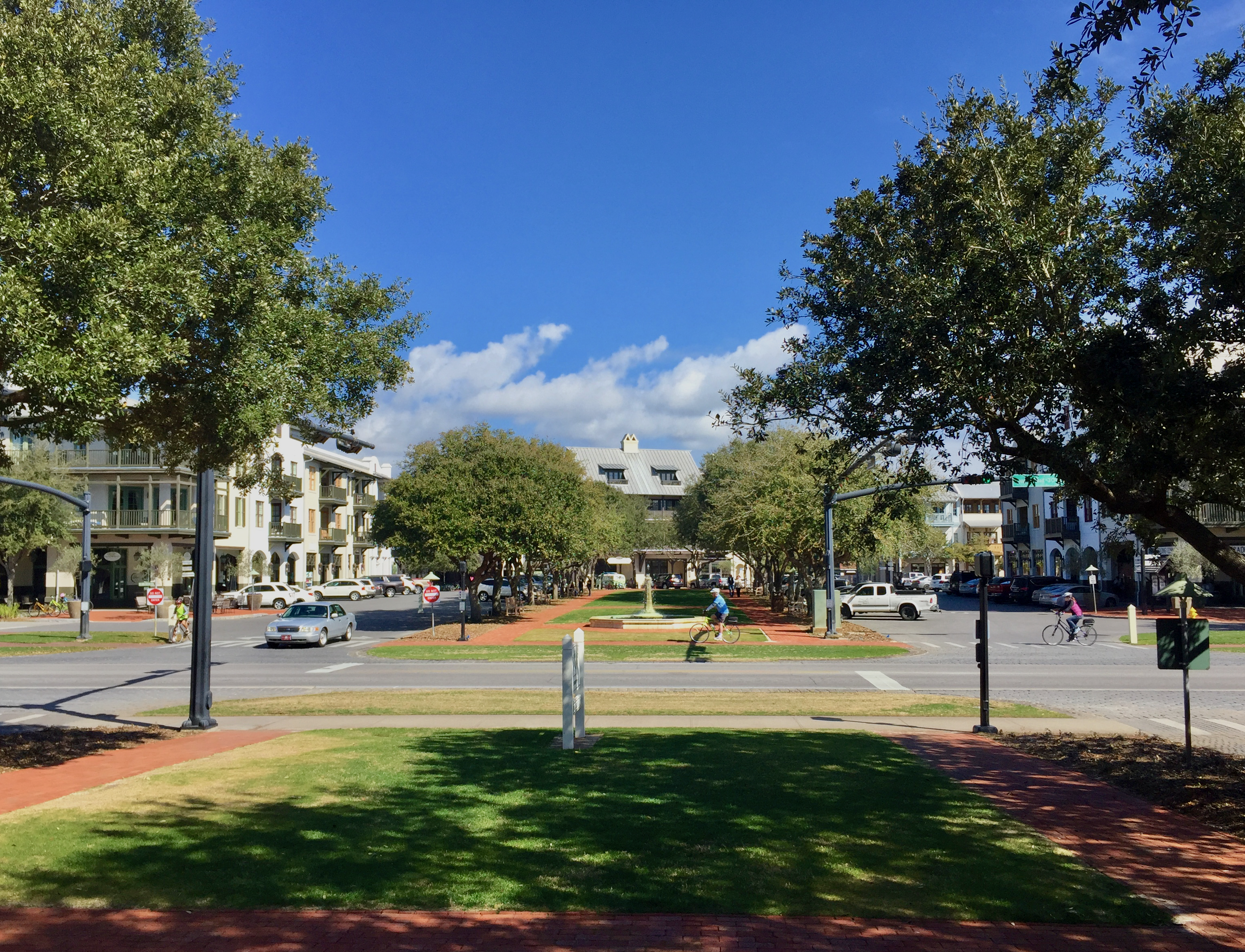
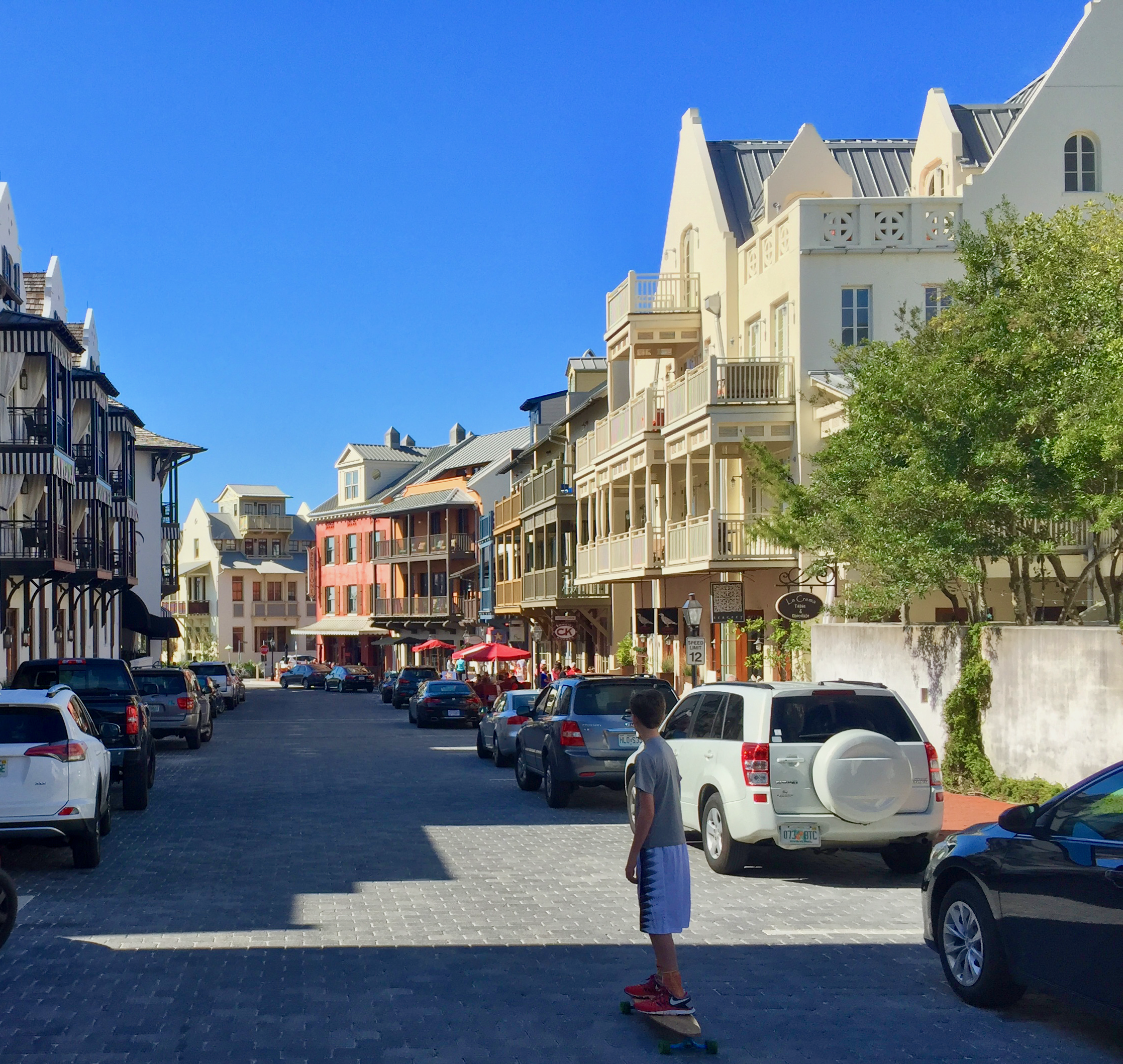
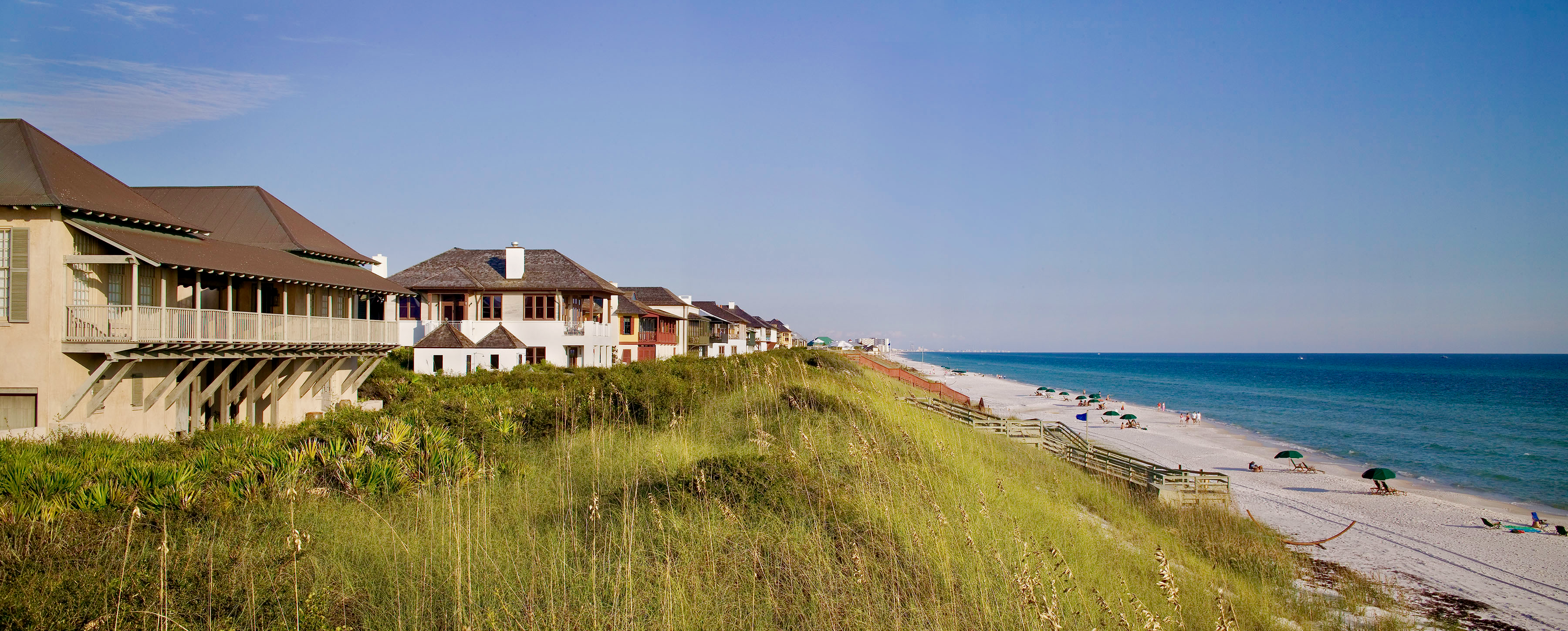
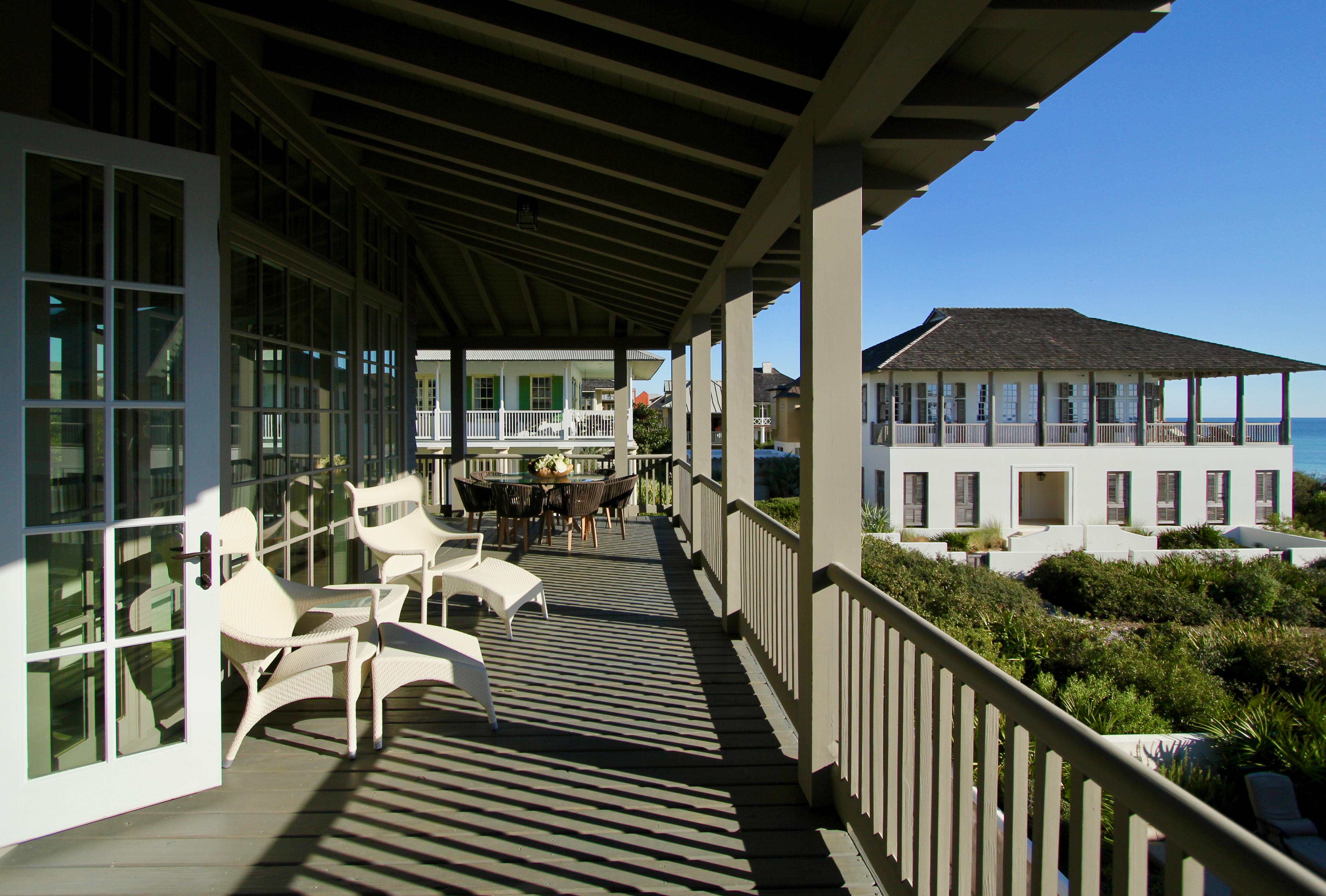
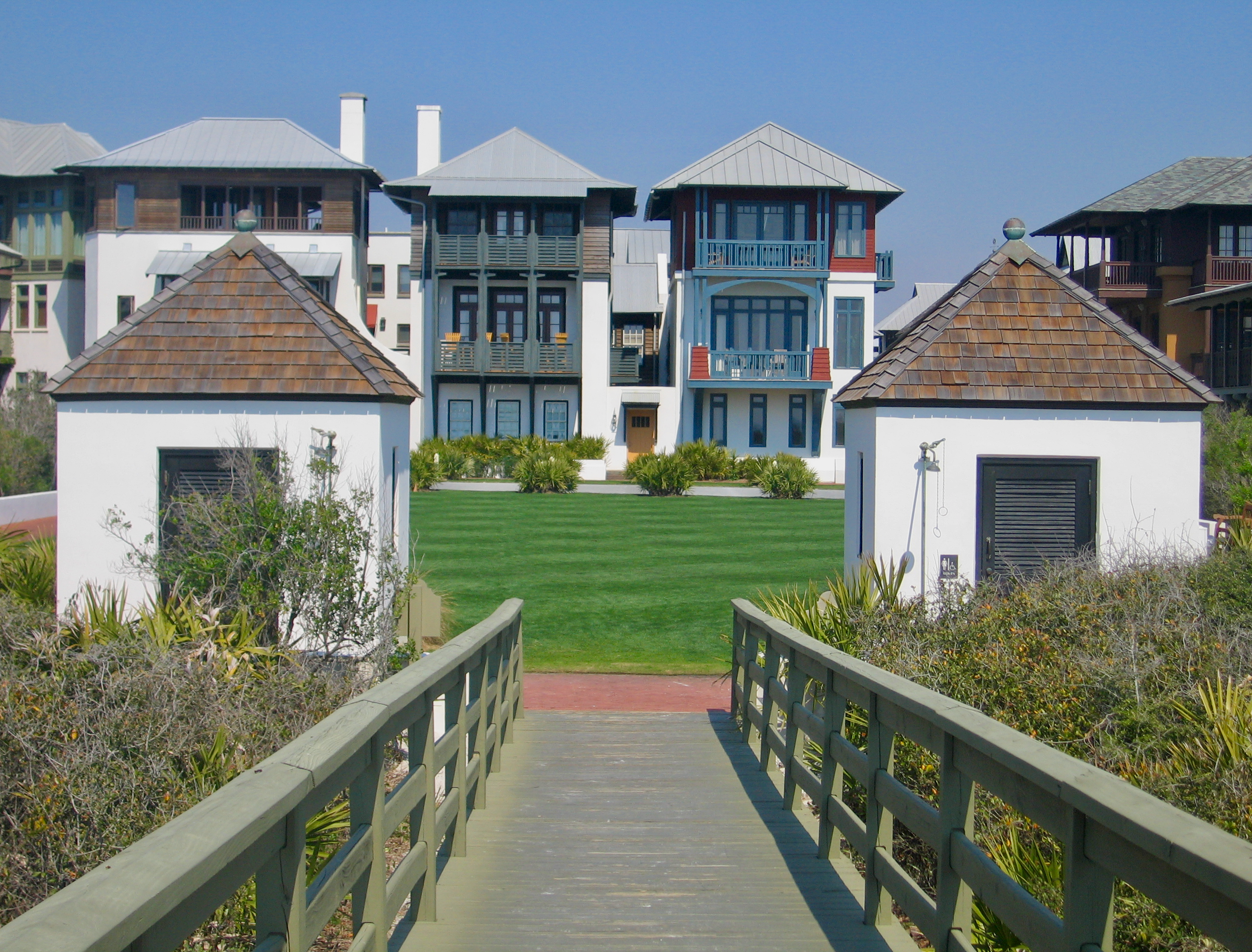
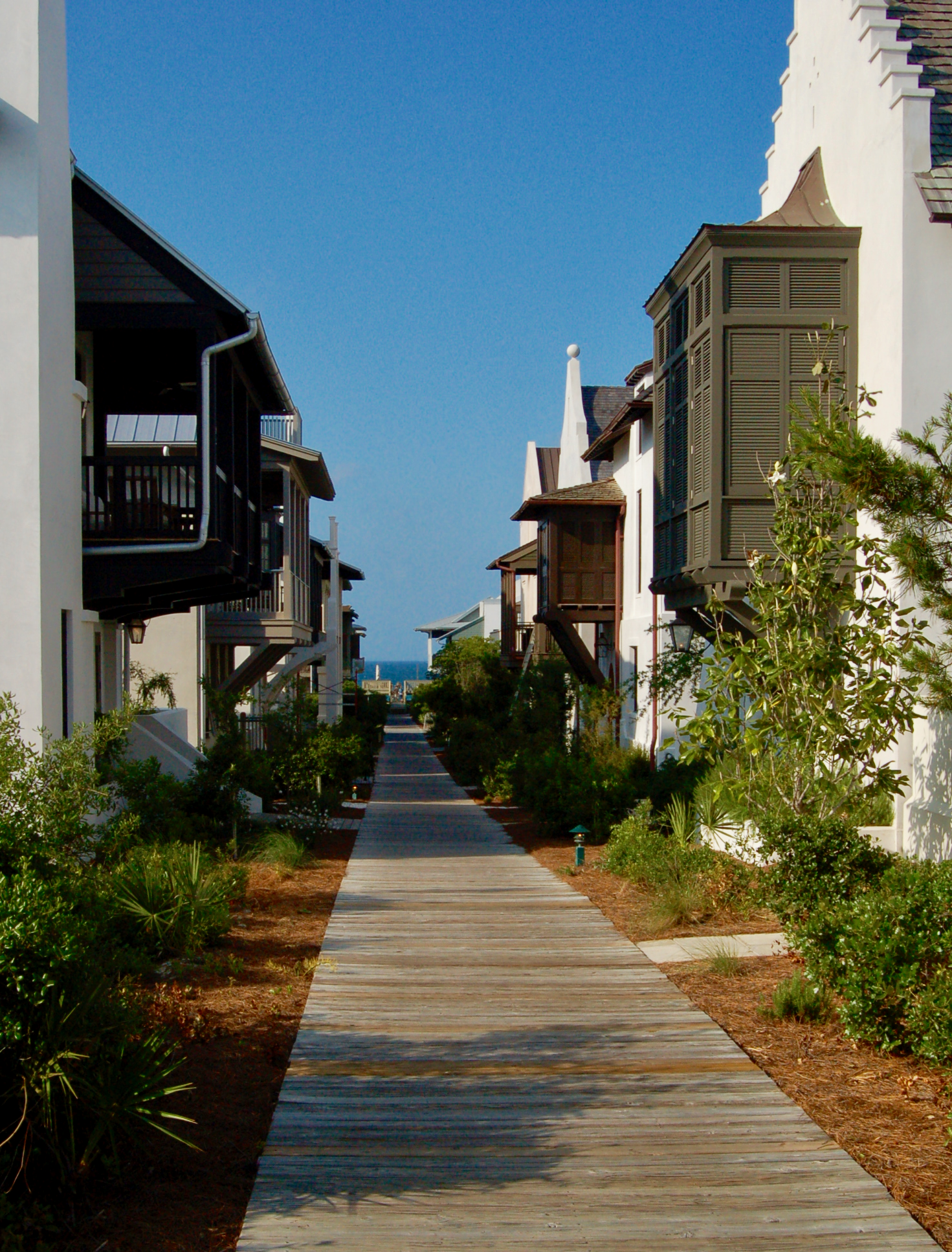
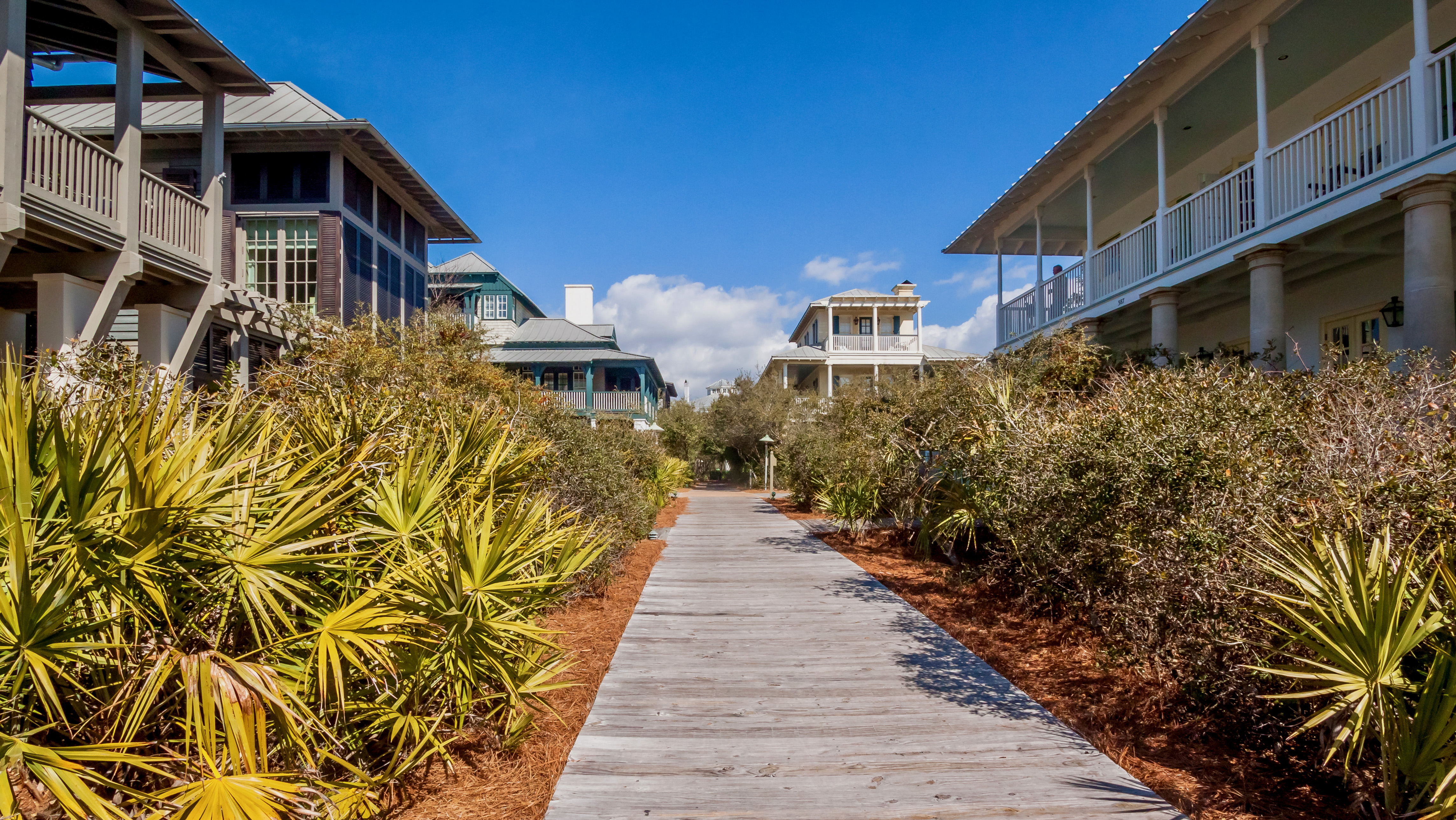
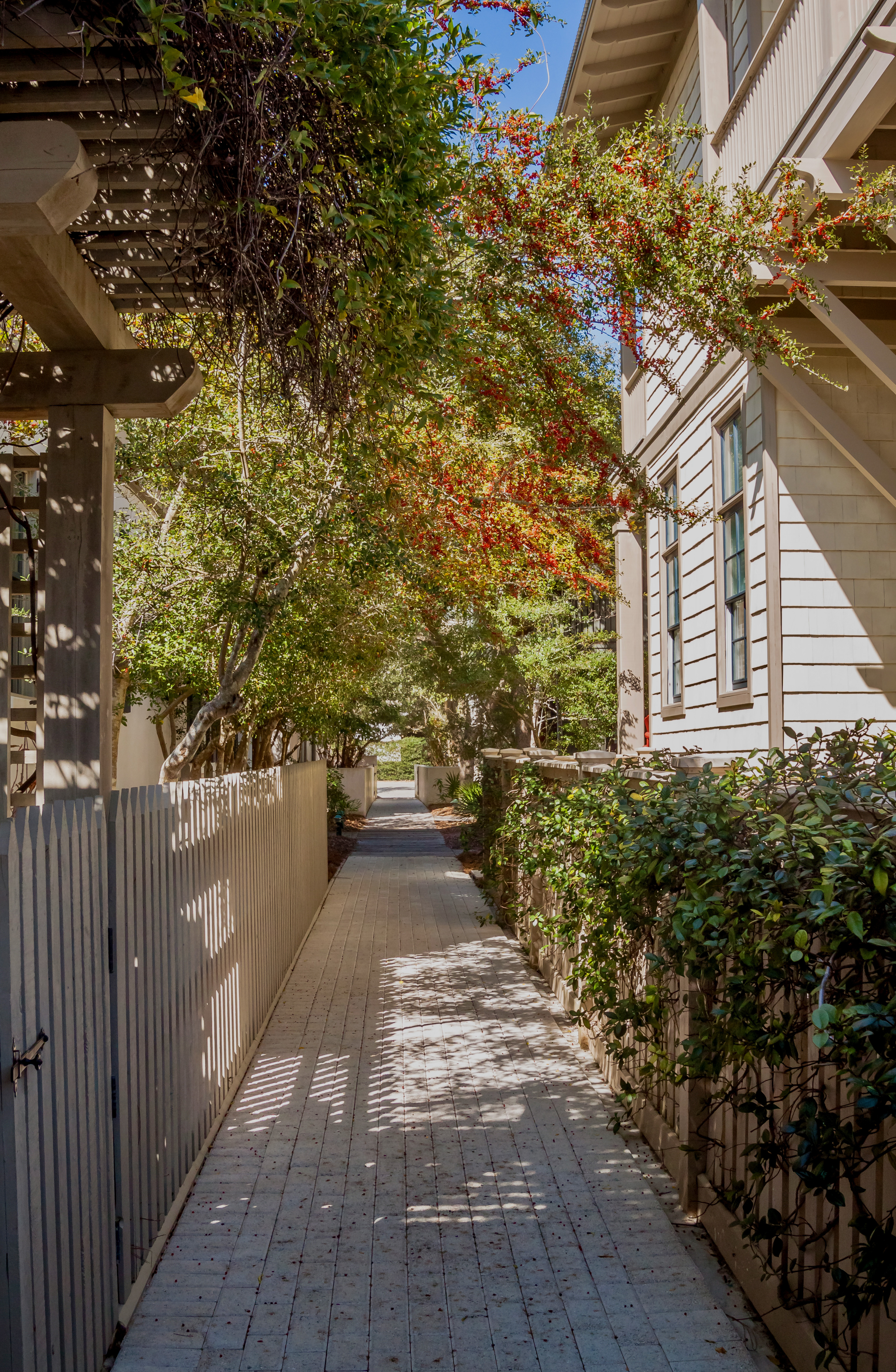
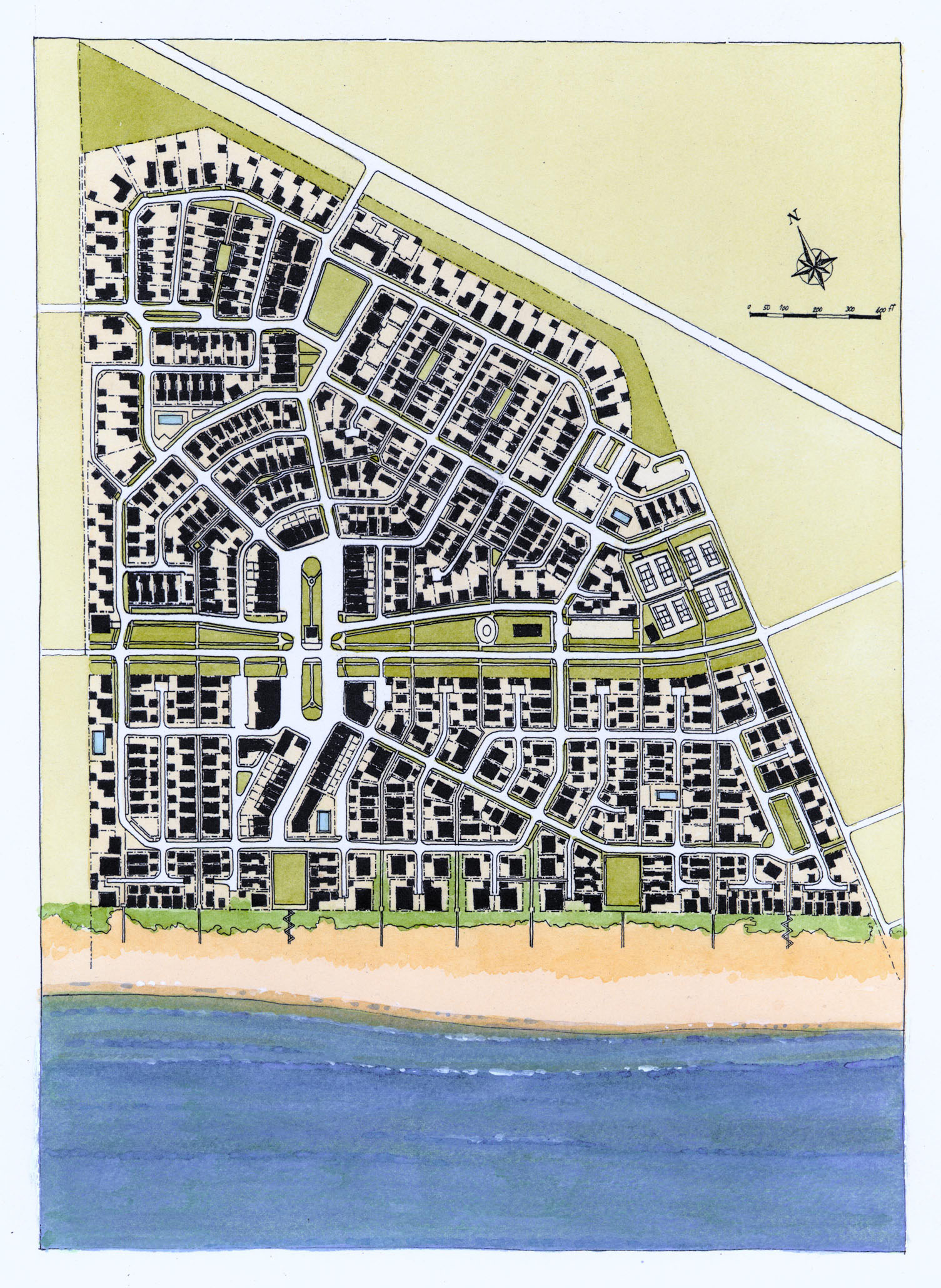
Despite a clear mandate to replicate Seaside’s success, very little of Rosemary Beach emulates its predecessor. Seaside’s lucky immunity to regulations was no longer the reality, and lessons-learned needed to be applied. Rosemary’s town square was shaped more intimately and thoroughfare-like connecting to a Main Street. A rear-alley system both acknowledged the volume of cars not anticipated at Seaside and screened vehicles from streetview. The plan took a risk in facing many frontages along pedestrian walks. Yet welcoming porches and families with children– grateful for the safe access to the beach– kept garage accesses from becoming front doors.
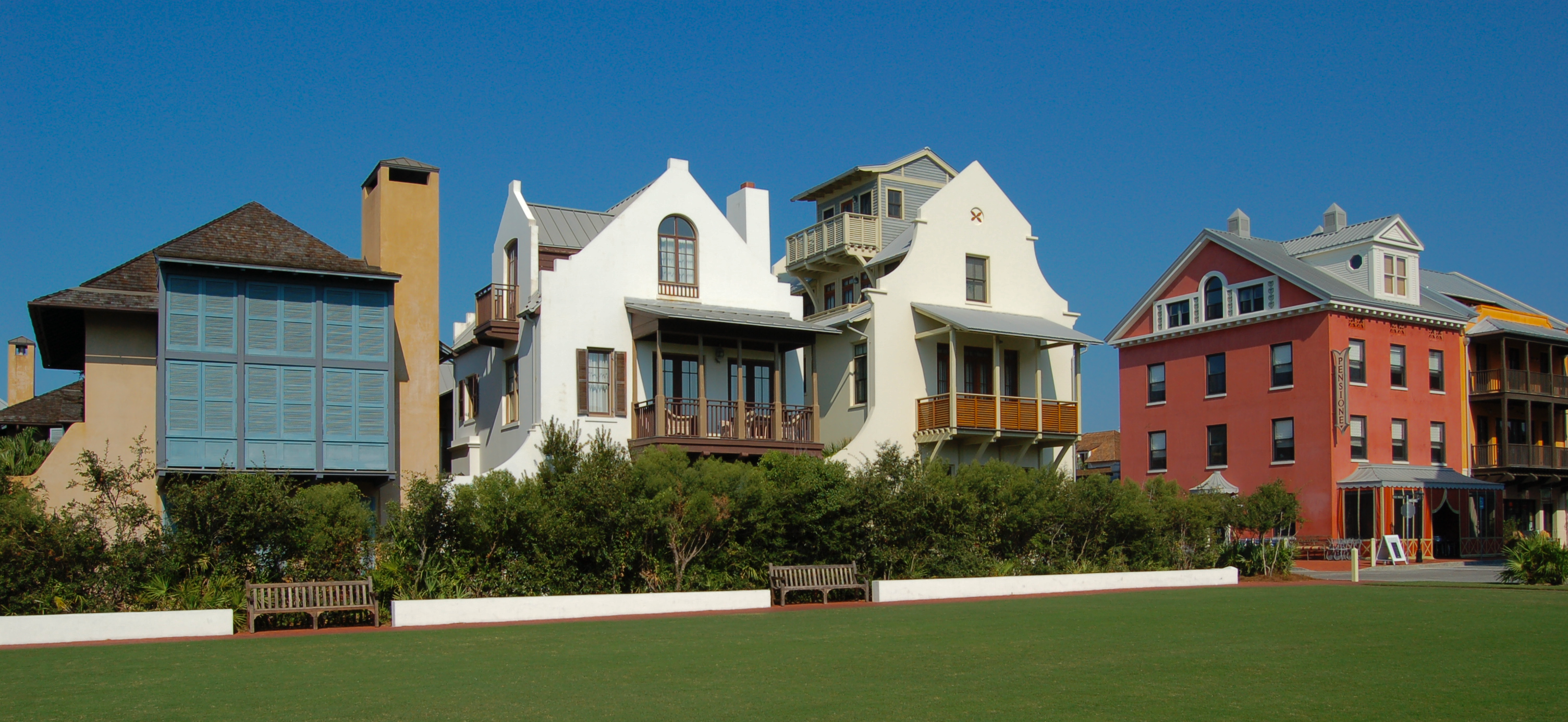
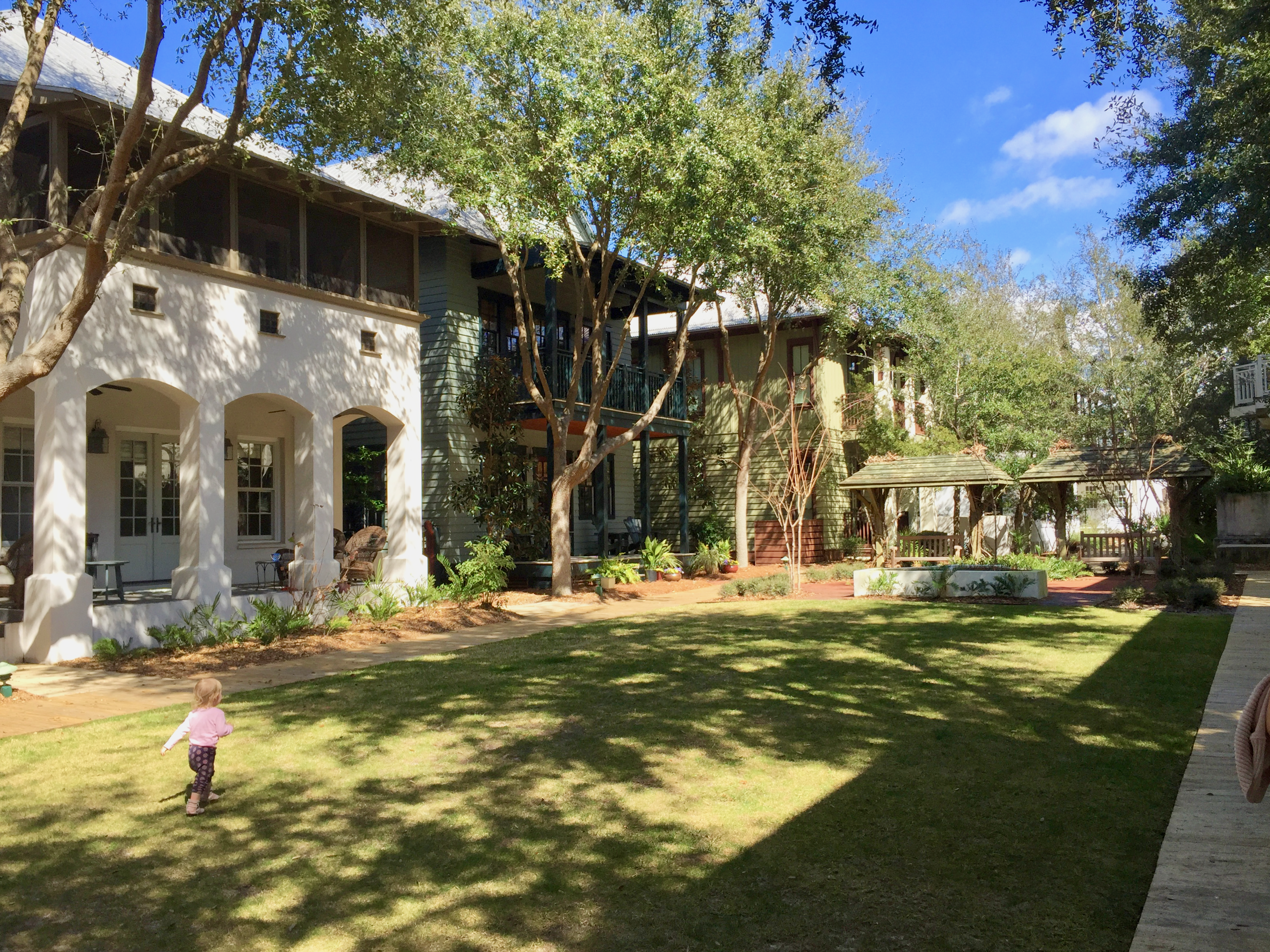
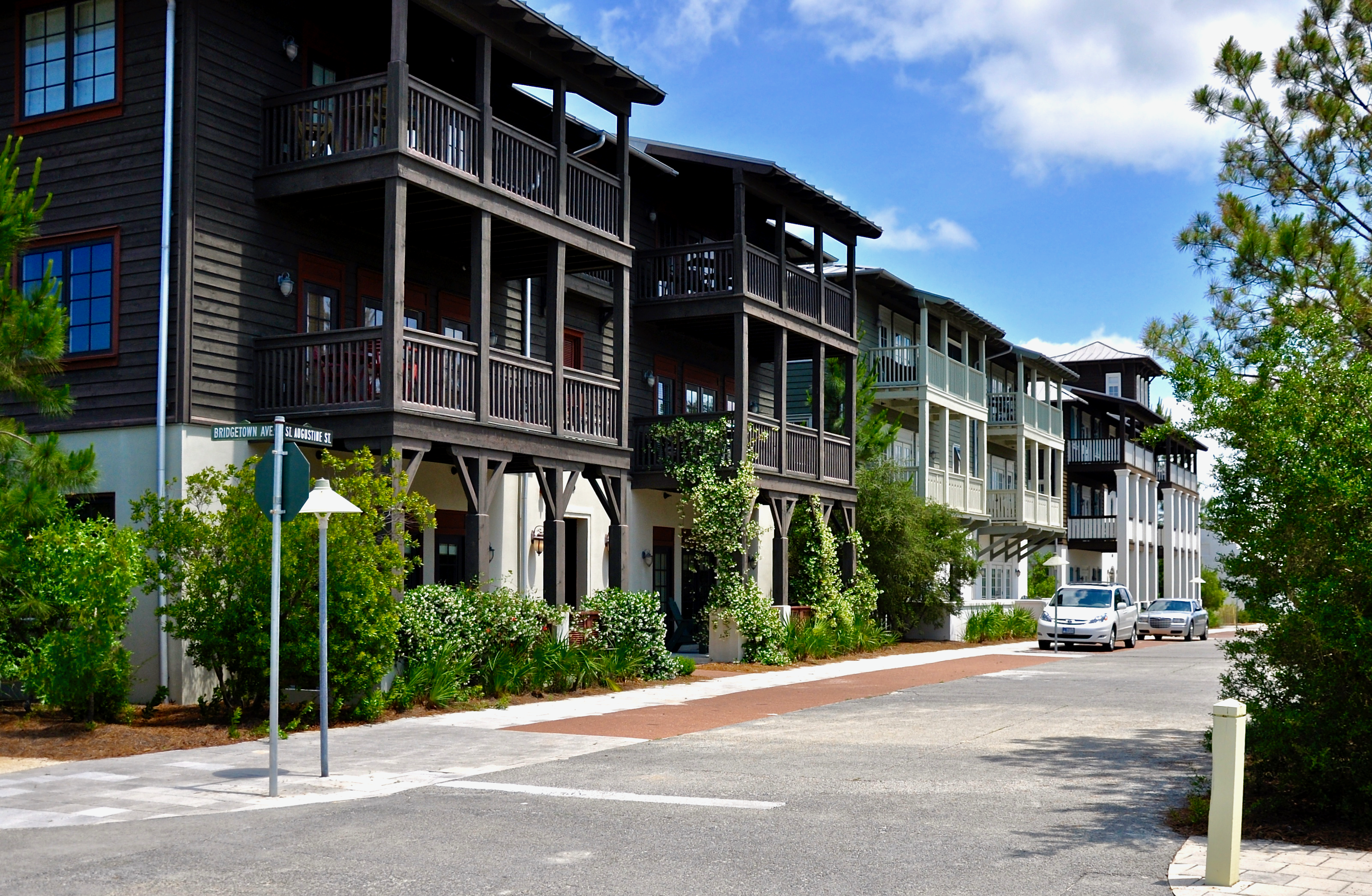
Eschewing Seaside’s Key West pastel clapboard look, Rosemary favored more masonry and adopted a darker wood-stain palette. As in Seaside, however, native landscaping was encouraged to grow into a dense canopy.
From: Architectural DigestBy: Stefanie Waldek and Kristine Hansen
From: 405 MagazineBy: Matt Payne and Elaine Warner